
SOUTHERN ITALY TRAVEL GUIDE

A slow, practical introduction to the South of Italy
Southern Italy is one of the most rewarding and misunderstood parts of Europe. From dramatic coastlines and whitewashed villages to raw, authentic food culture, this is where Italy feels at its most real.
Southern Italy (often referred to as the Mezzogiorno), isn’t a single destination.
It’s a collection of regions with different landscapes, histories, rhythms, and ways of life — united more by attitude than by itinerary.
If you’re not sure where to start, go to my complete guide to the 37 Best Places to Visit in Southern Italy, including hidden gems and iconic destinations. And to assist in planning your route, see my Southern Italy Itinerary
This guide is designed to give you a clear, grounded overview of Southern Italy: Where it begins, how the regions differ, and how to explore them without rushing or reducing them to highlights.
This page focuses on understanding the south first, so your travel choices make sense.
Southern Italy Regions at a glance:
Southern Italy generally includes:
Each region has its own identity. The further south you go, the slower life tends to feel — and the less predictable travel becomes (but in a very positive way).
Explore Hidden Gems in Southern Italy
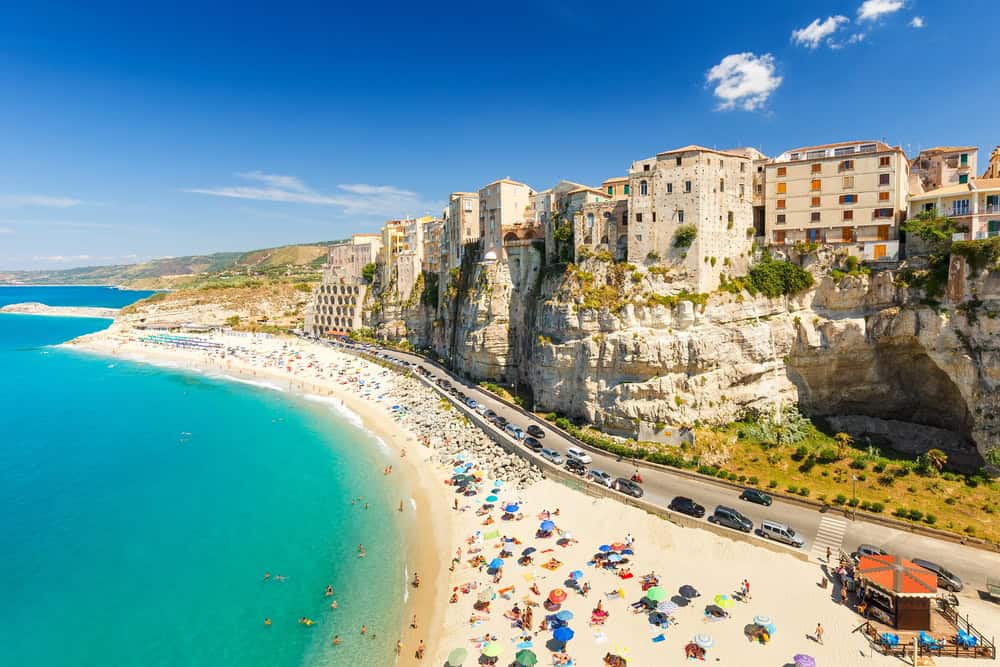
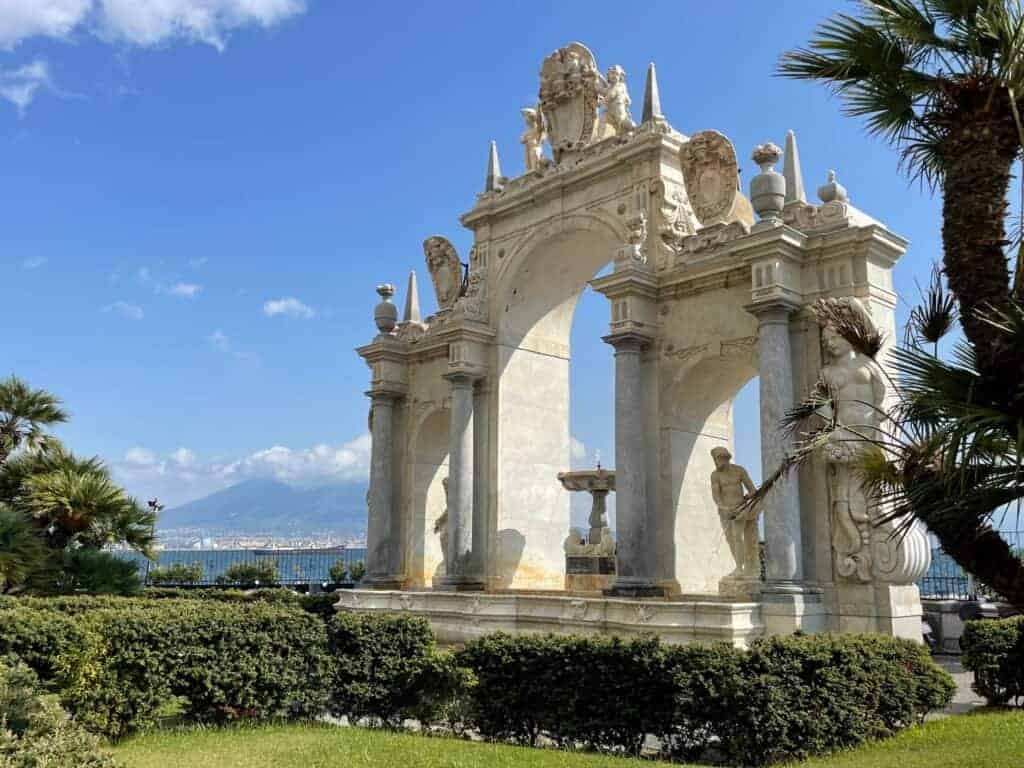
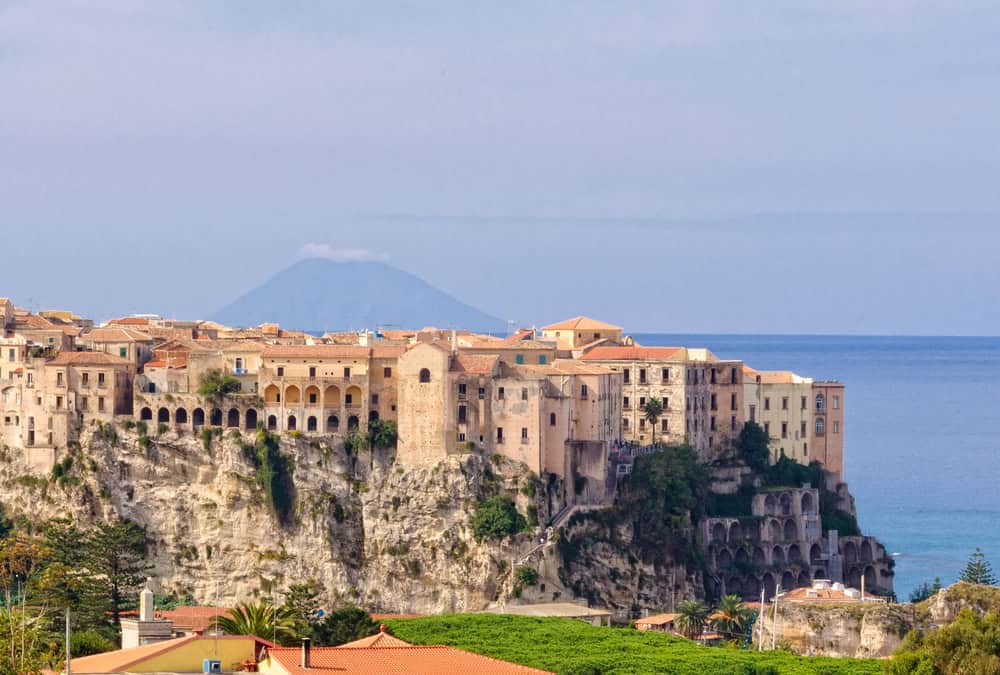
Discover the most beautiful cities and towns in Southern Italy, from iconic coastal towns to hidden gems you won’t find in typical travel guides. This curated list will help you plan the perfect itinerary.
What Makes Southern Italy Different?
Southern Italy offers something you simply don’t get in the north:
- Wild, less-developed coastlines
- Slower pace of life
- Deep-rooted food traditions
- Better value for money
- Fewer crowds (outside hotspots)
- Geography (mountains, long coastlines, isolation)
- History (Greek, Roman, Norman, Arab influences)
- A strong sense of local identity
Travel here rewards time and patience, not speed.
It’s not polished—but then that’s exactly why it’s special!
How to Use This Guide
This page works as a hub.
From here, you can:
- Dive deeper into the linked guides for each destination
- Decide which areas suit your travel style
- Link through to towns, beaches, food, culture, and travel tips
Then Move on to the Planning Hub when you’re ready to build an itinerary (this is where your trip really comes together).
Southern Italy at a Glance
Best time to visit:
April–June and September–October
Best for:
Food, coastline, historic towns, slower travel, less mass tourism.
Getting around:
Trains work well in parts; cars are essential in others
Travel pace:
Slower than Northern Italy — plan fewer stops, stay longer
Regions of Southern Italy
Campania
Campania is often the entry point to the south — intense, energetic, and layered.
Known for:
- Naples and its historic centre
- The Amalfi Coast
- Pompeii and Herculaneum
- Strong food culture
Campania works well with public transport, but it can be crowded. Choose fewer bases and explore them properly.
For a deeper look at Naples, the Amalfi Coast and the region’s highlights, see my Campania Travel Guide.
Basilicata
Basilicata is quiet, rural, and often overlooked.
Known for:
- Matera and the Sassi
- Remote landscapes
- A slower, more introspective feel
It’s not a region you pass through quickly — but it stays with you.
Puglia
Puglia is one of the most accessible regions in Southern Italy and a good balance of coast, towns, and food.
Known for:
- White towns like Ostuni
- Trulli houses in Alberobello
- Adriatic and Ionian coastlines
- Long lunches and olive groves
Puglia suits relaxed exploration and short drives between bases. First-time visitors should also read How to Get to Puglia before planning their trip.
Calabria
Calabria feels like a different Italy — less polished, more raw, and deeply regional.
Known for:
- Clear water and dramatic coastline
- Hill towns and Byzantine history
- Strong local food traditions
- Fewer crowds
A car is strongly recommended here. The rewards are space and authenticity.
Start with my Calabria Travel Guide, then explore the Coast of the Gods, 11 Best Things to Do in Tropea, and Best Beaches in Tropea.
Sicily
Sicily is a world of its own.
Known for:
- Mount Etna
- Baroque towns
- Ancient Greek sites
- Distinct cuisine and identity
Travel here feels expansive. Distances are longer, but the variety is unmatched.
⏳ How Long to Spend in Southern Italy
1 week
I would focus on one region only (e.g. Calabria, Puglia or Campania)
2 weeks
Possibly combine two regions (e.g. Calabria + Sicily OR Campania + Basilicata)
3 weeks
This allows for a well-paced multi-region itinerary
1 month+
The ideal timeframe to experience depth, not just highlights. But obviously only for the lucky travellers that have such time available.
👉 But remember the Key rule: Less is more. Southern Italy rewards slow travel.
🗺️ Southern Italy Itinerary Ideas
7 days
- I suggest focusing on one or two areas maximum (e.g. Amalfi Coast OR Salento, Naples + Sorrento)
10–14 days
- One Region + nearby extension (eg. Calabria +Puglia)
2–3 weeks
- My favourite is a Multi-region road trip (best balance) (eg. Puglia + Calabria +Sicily)
👉 Southern Italy Itinerary 👉 Calabria Road Trip
Food & Everyday Culture
Food in Southern Italy is:
- Seasonal
- Local
- Rooted in tradition rather than presentation
Expect:
- Simple ingredients
- Long meals
- Regional dishes that change town by town
Many of these food traditions can be experienced in destinations featured in my Hidden Gems in Southern Italy guide.
Eating well here often means eating where locals eat, and I have many favourites, where menus are not translated into five languages! (I will be creating this list soon, so stay tuned).
Dining out is a passion of mine, and one of the many reasons I chose to live in Southern Italy. And remember, I left beautiful Sydney, Australia to experience life here in the South of Italy.
But I must confess, meeting my Calabrian wife probably also had something to do with it!
Weather & Seasons (Overview)
- Spring: Best balance of weather and crowds
- Summer: Hot, busy, coastal-focused
- Autumn: Excellent for longer trips
- Winter: Quiet, local, not suited to every region
Season matters more in the south than people expect, so keep this in mind when planning when to go.
Getting Around Southern Italy
To reach these destinations by plane, the main airports are:
Naples International Airport (NAP) Then by Domestic flight or train
Rome Fiumicino International Airport (FCO) Then by Domestic flight or Train
Lamezia Terme International Airport (SUF) Then by Domestic flight or Train
Bari Karol Wojtyła Airport (BRI), For travel to Northern parts of Puglia
Brindisi Airport (BDS) For Travel to Southern parts of Puglia
Catania Fontanarossa Airport (CTA) For travel to Eastern Sicily,
Palermo “Falcone Borsellino” Airport (PMO) For travel to Central & western Sicily
To travel by train, TRENITALIA has an extensive network of regular services around the country. The primary railway hubs are Naples, Bari, and Lamezia Terme, which connect to smaller stations across the regions.
Rental cars are also readily available at airports and major urban centres, and even the smaller towns such as Tropea in Calabria.
If you’re planning a multi-region trip, see my Calabria & Basilicata Road Trip itinerary.
Local Tip: Trying to see Southern Italy without flexibility often leads to frustration. Build in a bit of buffer time and you will enjoy it so much more. Trust me, I know this from experience, my younger self still hadn’t discovered this important lesson.
Continue Planning Your Southern Italy Trip….
- Southern Italy Itinerary
- Hidden Gems in Southern Italy
- 37 Best Cities & Towns in Southern Italy
- Calabria Travel Guide
- Campania Travel Guide
- Puglia Travel Guide
- Coast of the Gods
- Things to Do & See in Tropea
Final Thought:
Southern Italy doesn’t reward checklist travel.
It rewards attention — to place, to rhythm, to long Summer lunches (pranzo), Pre-dinner drinks (Aperitivo), and the space between all its beautiful destinations.
Frequently Asked Questions:
1. What is the best time to visit Southern Italy?
The best time to visit Southern Italy is during April–June and September–October. These shoulder seasons offer warm weather, fewer crowds, and better prices compared to peak summer. July and August can be extremely hot and crowded, especially in popular destinations like Amalfi Coast and Naples, while winter is quieter but some coastal areas may feel a bit quiet.
2. Is Southern Italy safe for tourists?
Yes. In my 20 years of visiting and then living in Southern Italy, I have never once felt threatened or in danger. Even cities such as Naples and Palermo are considered safe for tourists, but as in any city you just need to follow general, common sense urban-safety habits.
In the major cities, avoid poorly lit side streets late at night, keep valuables out of sight, and be casually alert in crowded areas such as train stations and markets.
3. Which are the must-visit destinations in Southern Italy?
Top destinations in Southern Italy include the historic city of Naples, the stunning Amalfi Coast, the ancient ruins of Pompeii, the unique cave dwellings of Matera, the beautiful beach town of Tropea in Calabria, and the islands of Sicily. Each region offers a mix of culture, history, beaches, and food that you will love.
4. How many days do you need to explore Southern Italy?
To properly explore Southern Italy, you’ll need at least 10–14 days. This allows time to visit key regions like Campania, Puglia, and Calabria without rushing. If you have less time, focus on one or two areas rather than trying to see everything.
5. Is Southern Italy better than Northern Italy for tourists?
Southern Italy offers a more authentic, less touristy experience compared to the north. While Northern Italy is known for cities like Rome and Florence, the south stands out for its dramatic coastlines, traditional villages, and lower prices. It’s ideal for travelers seeking culture, food, and natural beauty with fewer crowds.
6. What is the best way to travel around Southern Italy?
The best way to get around Southern Italy depends on your itinerary. Trains are reliable for major cities like Naples, but for exploring rural areas and regions like Puglia or Calabria, renting a car is often the most flexible option. Ferries are also useful for reaching islands and coastal towns.
7. Is Southern Italy expensive for travelers?
Southern Italy is generally more affordable than Northern Italy. Accommodation, food, and transport tend to be cheaper, especially in less touristy areas like Calabria and parts of Puglia. However, prices can rise significantly in high-demand destinations like the Amalfi Coast during peak season.
8. Are Southern Italians different to Italians in the North of Italy?
The answer is basically yes! Due to historical, cultural, and geographical factors, the people of Southern Italy have a distinct and unique identity.
Their cuisine, dialects, and customs vary greatly, making for a very intriguing and rich cultural landscape. In Southern Italy, you will truly experience the country’s diversity.
9. Are Southern Italian dialects different to those spoken in northern Italy?
Absolutely! There are noticeable differences in Southern Italian dialects and accents to those in the north of Italy.
I have also noticed that from one town to the other, even just a few kilometres apart, the dialect can change.
10. What is another name for southern Italy?
It is often referred to as The ‘Mezzogiorno’ or The ‘Meridione’