
PUGLIA TRAVEL GUIDE

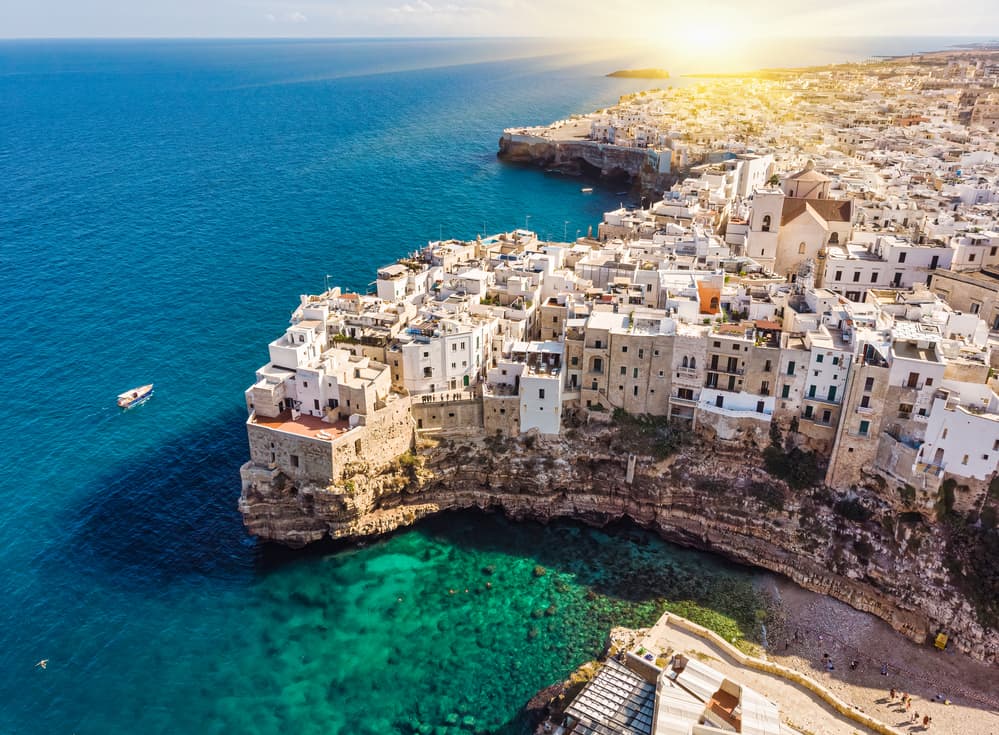
If you want dramatic coastline, timeless villages, and amazing food that feels like home, Puglia should be at the top of your Southern Italy list!
Puglia offers a noticeably different pace of travel compared to some of Southern Italy’s more visited regions, such as the Amalfi Coast.
Known for its whitewashed towns, olive groves, Adriatic coastline and slower rhythm of daily life, it’s a region that tends to reward time and flexibility rather than fast-moving itineraries.
Many visitors start with its famous coastal towns, and our guide to the beaches in Polignano a Mare is a good example of how dramatic the coastline can be.
Distances between towns can be short, but travel often involves moving through agricultural landscapes where smaller communities remain closely tied to local routines and seasonal rhythms.
Puglia is often combined with nearby regions like Calabria on longer Southern Italy trips.
Based on repeat visits across the region, this Puglia travel guide from Herb Nagel Beyond is intended to help you understand how travel here works in practice, how to get to Puglia, and how to approach the region as part of a wider Southern Italy itinerary.
Where Puglia Is & What Defines It
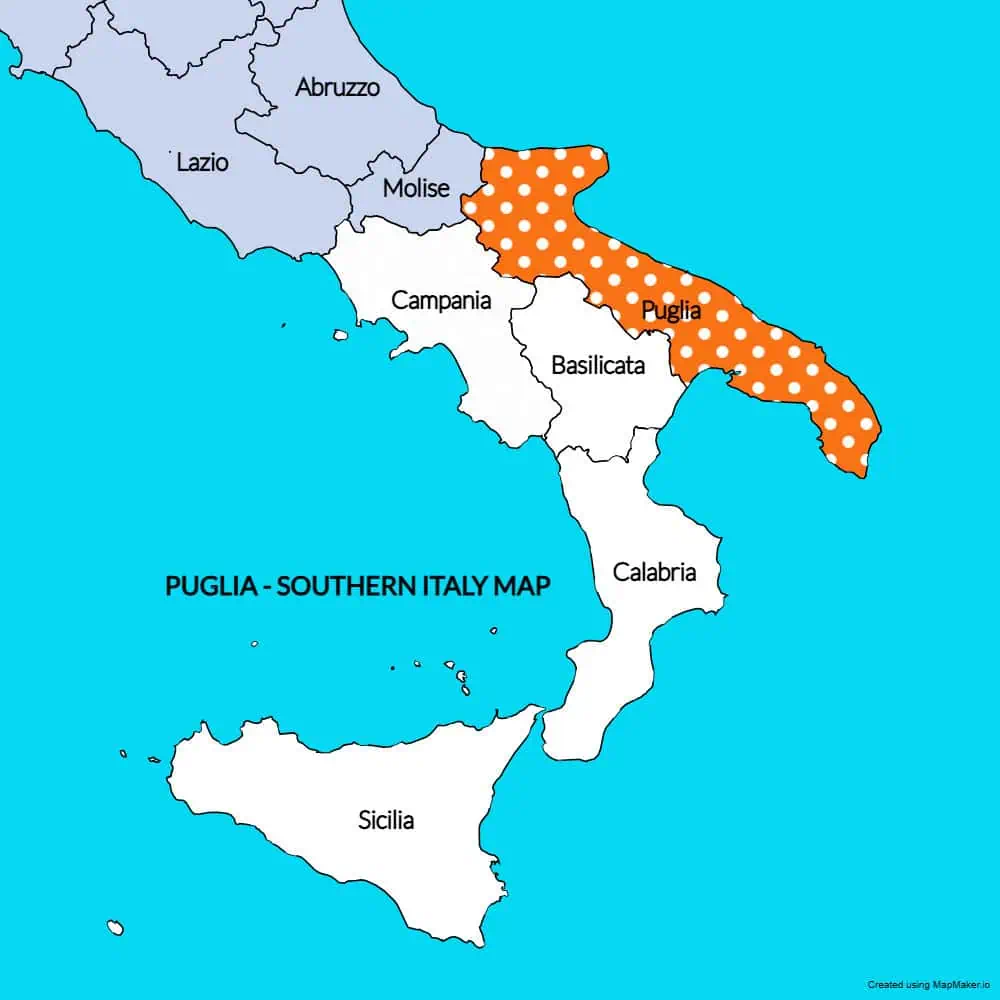
Puglia forms the ‘heel’ of Italy’s boot, stretching along both the Adriatic and Ionian coasts in the south-east of the country.
It includes:
• Long stretches of coastline
• Historic baroque towns
• Agricultural landscapes
• Traditional village communities
Puglia also features in our guide to the best cities and towns in Southern Italy to visit, where you can see how its destinations compare with other regions in the south.
Travel in Puglia is generally more dispersed than in Campania, with smaller towns spread across areas such as the Valle d’Itria and Salento.
Key Towns & Cities in Puglia
Puglia’s most recognisable destinations are spread between coastal towns and inland hilltop communities — each offering a different pace of travel within the region.
Alberobello
Known for its distinctive trulli houses and traditional architecture.
Ostuni
A hilltop town overlooking olive groves and the Adriatic coast.
Polignano a Mare
Coastal scenery with historic streets built above the sea.
Lecce
Baroque architecture and a strong local food culture.
Monopoli
A coastal base with access to nearby beaches and towns.
What Travel in Puglia Actually Feels Like
Travel through Puglia often involves shorter distances than in Sicily or Calabria, but movement between smaller towns can still take time — particularly without the use of a car.
Many visitors underestimate how dispersed accommodation and coastal areas can be, especially when exploring inland communities within the Valle d’Itria.
Puglia tends to reward slower itineraries built around fewer bases.
Coastline & Inland Landscapes
Much of Puglia’s coastline runs along the Adriatic Sea, with access points often located near smaller towns rather than major cities.
Inland areas are shaped by olive groves, farmland and historic settlements that reflect the region’s agricultural history.
Together, coastal and inland areas tend to form the basis of most itineraries through Puglia.
Choosing Where to Base Yourself
Selecting one or two primary bases usually works best when travelling through Puglia.
Inland towns may offer:
• Easier access to multiple nearby communities
• A quieter pace of travel
• Greater flexibility for day trips
Coastal bases tend to provide:
• Proximity to beaches
• Direct access to seaside towns
• Fewer connections inland
Relocating frequently can reduce time available for exploring individual towns.
How Long to Spend in Puglia
A minimum of three to four days allows time to explore inland towns within the Valle d’Itria.
With around a week, it becomes possible to include:
• Inland hilltop communities
• Coastal towns
• Southern areas of Salento
Longer stays may allow for travel between both the Adriatic and Ionian coasts.
Getting Around Puglia
Rail connections link several major towns across the region.
Driving can be helpful when:
• Travelling between smaller inland communities
• Exploring rural areas
• Accessing coastal areas outside major towns
Public transport services may be less frequent in some inland areas.
Food & Everyday Life in Puglia
Puglia is one of Italy’s most agriculturally productive regions, reflected in local cuisine.
Expect:
• Olive oil-based dishes
• Fresh vegetables and legumes
• Handmade pasta such as orecchiette
Meals are typically tied to seasonal produce grown in the surrounding countryside.
Best Time to Visit Puglia
Spring
• Mild weather and fewer visitors
Summer
• Busy coastal towns
• Higher temperatures inland
Autumn
• Comfortable for combining towns and countryside
Winter
• Quieter inland areas
• Limited coastal activity
Common Planning Mistakes
Travellers often:
• Attempt to visit too many towns in a short timeframe
• Underestimate travel times between inland communities
• Relocate accommodation too frequently
Allowing sufficient time within fewer bases generally results in a more manageable trip.
How Puglia Fits Into a Southern Italy Trip
Puglia pairs well with:
• Basilicata (via Matera)
• Campania (via Naples)
It can work effectively as either:
• A slower-paced standalone trip
• Part of a wider Southern Italy itinerary
FINAL THOUGHT
Puglia is less about major landmarks and more about everyday rhythm.
Allow time to move between towns slowly, and the region offers a quieter but deeply rewarding introduction to Southern Italy.