

BASILICATA TRAVEL GUIDE

Basilicata is often overlooked by first-time visitors to Southern Italy — and yet it offers one of the region’s most distinctive travel experiences.
Compared to neighbouring Campania and Puglia, travel here tends to feel quieter and more locally oriented, shaped by agricultural landscapes, hilltop towns and smaller coastal communities.
Movement between destinations can involve winding inland roads and slower public transport connections, making realistic planning an important part of travelling through the region.
Based on repeat visits across Southern Italy, this Basilicata travel guide from Herb Nagel Beyond is intended to help you understand how travel here works in practice, and how the region can be included within a wider Southern Italy itinerary.
Your Essential Basilicata Travel Guide
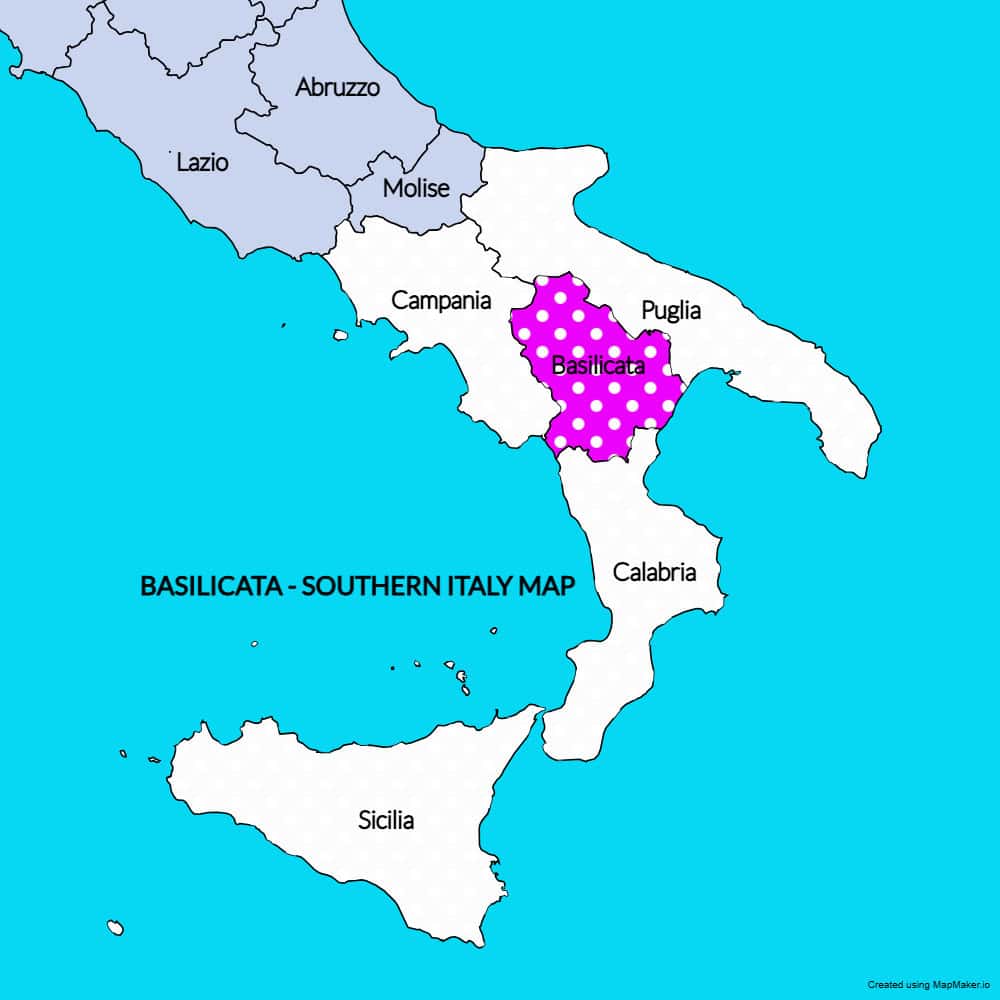
Basilicata at a Glance
If you’re looking for an Italy that still feels genuinely undiscovered, Basilicata is one of the country’s most rewarding regions. Tucked between Puglia and Calabria, it offers spectacular mountain landscapes, dramatic coastlines, ancient hilltop towns and some of Italy’s richest history—without the crowds that fill many better-known destinations.
Most travellers know Basilicata for Matera and its extraordinary cave dwellings, yet the region has far more to offer. From the turquoise waters of Maratea on the Tyrrhenian coast to the forests of Pollino National Park, the vineyards around Mount Vulture and the peaceful villages scattered across the Lucanian hills, Basilicata rewards travellers who slow down and explore beyond the obvious.
Although it’s one of Italy’s least populated regions, Basilicata packs an impressive variety of experiences into a relatively compact area. You can wander through UNESCO-listed streets in the morning, enjoy lunch in a medieval village, hike mountain trails in the afternoon and finish the day watching the sunset over the sea.
Unlike many parts of Italy that have become increasingly busy, Basilicata still feels authentic. Traditional festivals remain community events rather than tourist attractions, family-run agriturismi welcome visitors with genuine hospitality, and local restaurants continue to serve recipes that have changed little over generations.
For independent travellers, road-trippers, photographers, hikers and anyone wanting to experience a quieter side of Southern Italy, Basilicata is one of the country’s best-kept secrets.
Basilicata Quick Facts
| Fact | Details |
|---|---|
| Capital | Potenza |
| Famous for | Matera, cave dwellings (Sassi), Maratea, mountains, authentic villages |
| UNESCO World Heritage Sites | Matera and the Sassi; the Park of the Rupestrian Churches of Matera |
| Best for | History, slow travel, road trips, hiking, food, photography and authentic local culture |
| Coastline | Tyrrhenian Sea (Maratea) and Ionian Sea (Metaponto and Policoro) |
| Ideal trip length | 4–7 days, or longer when combined with neighbouring Puglia or Calabria |
| Best time to visit | April–June and September–October |
| Public transport | Limited outside the main towns; hiring a car provides the greatest flexibility |
| Driving difficulty | Generally easy outside historic centres, with scenic mountain roads in the interior |
| Budget | Generally lower than many other Italian regions, offering excellent value for accommodation and dining |
| Closest airports | Bari, Naples and Lamezia Terme |
Who Is Basilicata Best For?
Basilicata isn’t the right destination for every traveller—and that’s one of the reasons it feels special.
You’ll probably love Basilicata if you:
- Enjoy authentic destinations beyond Italy’s busiest tourist hotspots.
- Prefer scenic road trips over fast-paced sightseeing.
- Love history, archaeology and UNESCO World Heritage Sites.
- Appreciate hiking, mountain landscapes and outdoor adventures.
- Want to experience traditional food, wine and village life.
- Are looking for excellent value compared with many of Italy’s better-known regions.
On the other hand, if your ideal holiday revolves around luxury shopping, vibrant nightlife or moving quickly between major attractions, neighbouring regions such as Campania may be a better fit.
Why Basilicata Deserves More Than a Day Trip
Many visitors arrive in Basilicata solely to spend a night in Matera before continuing to Puglia or the Amalfi Coast. While Matera alone justifies the journey, limiting your visit to a single destination means missing one of Southern Italy’s most diverse and rewarding regions.
Beyond Matera, you’ll discover quiet medieval villages where daily life continues at an unhurried pace, some of Italy’s most scenic mountain drives, coastal towns that remain largely untouched by international tourism and landscapes that change dramatically within only a couple of hours’ drive.
One day you can be exploring prehistoric cave churches carved into limestone cliffs; the next, relaxing beside the crystal-clear waters of Maratea or hiking through the rugged peaks of Pollino National Park. Few Italian regions offer such variety while remaining relatively free from crowds.
Basilicata is also a region that rewards curiosity. Some of its greatest experiences aren’t famous landmarks but unexpected discoveries—a village festival, a family-run trattoria, an overlook reached by a winding mountain road or a conversation with a local proud to share the traditions of Lucania.
For travellers who value authentic experiences over ticking off famous attractions, Basilicata often becomes one of the most memorable parts of a Southern Italy itinerary.
Herb’s Perspective:
One thing I’ve learned while travelling throughout Southern Italy is that Basilicata isn’t a region that reveals itself quickly.
Unlike places where the highlights are immediately obvious, Basilicata becomes more rewarding the longer you stay.
Some of my favourite memories haven’t been famous landmarks at all, but quiet village cafés, scenic mountain drives and conversations with locals that happened simply because I wasn’t rushing to the next destination.
The Best Places to Visit in Basilicata
Although Basilicata is one of Italy’s smallest and least-visited regions, it offers an impressive variety of destinations. From ancient cave cities and medieval hill towns to dramatic mountains, vineyards and a surprisingly beautiful coastline, there’s far more to discover than many first-time visitors expect.
One of the great pleasures of travelling through Basilicata is how quickly the scenery changes. Within a few hours, you can move from UNESCO World Heritage sites and rugged mountain landscapes to sandy Ionian beaches or the spectacular cliffs overlooking the Tyrrhenian Sea.
These are the destinations that deserve a place on almost every Basilicata itinerary.
Matera
No visit to Basilicata is complete without exploring Matera, one of the world’s oldest continuously inhabited cities. Famous for the ancient Sassi districts—thousands of cave homes, churches and monasteries carved directly into limestone—Matera offers one of Italy’s most unforgettable landscapes.
Walking through its narrow lanes feels like stepping back through thousands of years of history. Stone staircases wind between cave dwellings, panoramic terraces overlook deep ravines and beautifully restored boutique hotels now occupy former cave houses.
Allow at least two full days to appreciate Matera beyond the famous viewpoints. Visit the cave churches, explore the Casa Grotta museum, wander after dark when the city glows with golden light and cross into the Murgia plateau for some of the best panoramic views.
Maratea
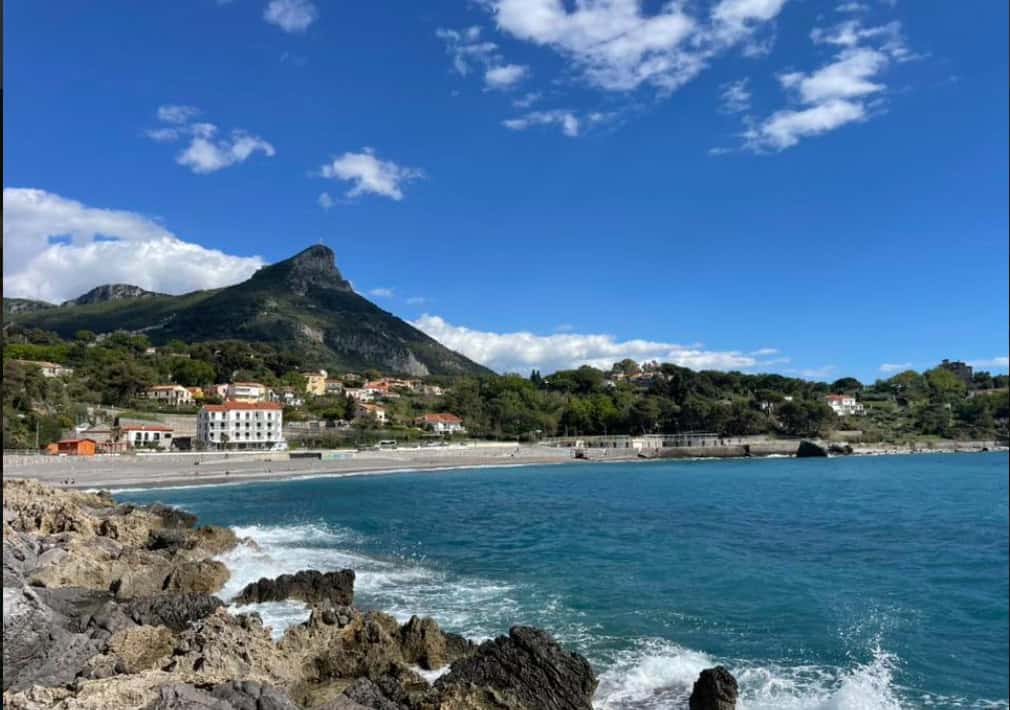
Often called the “Pearl of the Tyrrhenian”, Maratea couldn’t be more different from Matera. Instead of rocky cave dwellings, you’ll find dramatic cliffs, secluded beaches, colourful harbours and one of Southern Italy’s most scenic stretches of coastline.
Unlike the crowded Amalfi Coast, Maratea remains refreshingly relaxed. The coastline stretches for more than 30 kilometres and hides dozens of small coves accessible by boat or winding coastal roads.
Above the town stands the impressive Statue of Christ the Redeemer, offering breathtaking views across the Tyrrhenian Sea. The historic centre itself is equally charming, with elegant piazzas, narrow streets and more than forty churches reflecting Maratea’s long religious history.
If you’re looking for coastal scenery without the heavy crowds, Maratea is one of Southern Italy’s finest hidden gems.
Potenza
As Basilicata’s regional capital, Potenza is often overlooked by visitors heading directly to Matera. While it may not have the immediate visual appeal of some other destinations, it offers an authentic glimpse into everyday life in inland Southern Italy.
Built high in the Apennine Mountains, Potenza is one of Italy’s highest regional capitals. Its historic centre features medieval lanes, lively cafés and attractive piazzas, while panoramic viewpoints reveal the surrounding mountain landscape.
Potenza also serves as an excellent base for exploring central Basilicata, particularly if you’re interested in hiking, local food and discovering lesser-known villages.
Venosa
History lovers shouldn’t miss Venosa, one of Basilicata’s oldest towns and the birthplace of the Roman poet Horace.
Its beautifully preserved archaeological sites include Roman ruins, medieval churches and the striking Abbey of the Holy Trinity, whose unfinished church creates one of the region’s most distinctive landmarks.
Combined with nearby wineries producing the excellent Aglianico del Vulture wines, Venosa makes an enjoyable full-day excursion.
Melfi
Dominated by its imposing Norman castle, Melfi was once one of Southern Italy’s most important medieval centres.
The castle now houses an archaeological museum showcasing discoveries from across Basilicata, while the surrounding old town rewards visitors with quiet streets, historic churches and traditional restaurants serving regional cuisine.
Nearby Mount Vulture, an extinct volcano, adds another dimension with its volcanic lakes, forests and renowned vineyards.
The Dolomiti Lucane
The spectacular Dolomiti Lucane are among Basilicata’s most dramatic natural landscapes. Their jagged limestone peaks rise unexpectedly above rolling hills, creating scenery unlike anywhere else in Southern Italy.
The mountain villages of Castelmezzano and Pietrapertosa cling dramatically to the cliffs and are regularly listed among Italy’s most beautiful villages.
Visitors can hike ancient shepherd trails, enjoy panoramic viewpoints or experience the famous Flight of the Angel zipline, which sends riders soaring high above the valley between the two villages.
Even without the adrenaline activities, simply wandering these peaceful villages is one of the highlights of Basilicata.
Pollino National Park
Covering parts of both Basilicata and Calabria, Pollino National Park is Italy’s largest national park and a paradise for outdoor enthusiasts.
Its rugged mountains, deep gorges and ancient Bosnian pine forests provide excellent opportunities for hiking, wildlife watching, mountain biking and rafting.
Unlike many of Italy’s better-known parks, Pollino rarely feels crowded, making it ideal for travellers seeking peaceful nature experiences.
Traditional mountain villages such as Rotonda and Viggianello also offer a warm welcome and a chance to experience Basilicata’s rural heritage.
Metaponto
On Basilicata’s Ionian coast, Metaponto combines beautiful sandy beaches with one of Magna Graecia’s most important archaeological sites.
Founded by Greek colonists in the seventh century BC, the town preserves impressive remains of ancient temples and theatres, while the nearby beaches provide a relaxing contrast to the region’s inland attractions.
It’s an excellent destination for families or anyone wanting to combine history with time by the sea.
Policoro
Further south along the Ionian coast, Policoro is known for its long sandy beaches, nature reserves and family-friendly atmosphere.
The nearby WWF Oasis protects coastal wetlands that provide habitat for migratory birds and sea turtles, while archaeological remains reveal the area’s ancient Greek origins.
For travellers visiting during the warmer months, Policoro offers a quieter alternative to some of Puglia’s more crowded beach resorts.
Craco
Few places capture the imagination quite like Craco, Basilicata’s famous abandoned hill town.
Perched dramatically above the surrounding countryside, Craco was gradually abandoned after landslides made the settlement unsafe. Today, its silent streets and crumbling stone buildings create one of Italy’s most atmospheric ghost towns.
Guided tours allow visitors to explore parts of the village while learning about its fascinating history. The haunting landscape has also attracted numerous filmmakers, making Craco a recognisable setting in several international films.
Don’t Try to See Everything
One of the biggest mistakes visitors make is trying to fit all of Basilicata into just two or three days. While distances may appear short on a map, the region’s winding mountain roads mean journeys often take longer than expected.
Instead, focus on one or two areas at a time. Pair Matera with the Ionian coast, combine the Dolomiti Lucane with Pollino National Park, or spend several days exploring Maratea and the Tyrrhenian coastline. Travelling more slowly allows you to appreciate the authentic character that makes Basilicata so special.
If you’re comparing Basilicata with other destinations across the region, see our guide to the best cities and towns in Southern Italy.
How Many Days Do You Need in Basilicata?
How much time you should spend in Basilicata depends on the type of trip you’re planning.
While some visitors only have time to experience Matera, allowing four to seven days lets you discover the region’s mountains, villages, coastline and food culture at a much more relaxed pace.
These itineraries provide a realistic guide for first-time visitors.
2 Days – Matera Highlights
If your time is limited, devote both days to Matera rather than trying to see the entire region.
Spend your first day exploring the Sassi districts, visiting cave churches and museums before enjoying dinner overlooking the illuminated old town. On your second day, cross into the Murgia plateau for panoramic views, walk some of the ancient trails and allow plenty of time to simply wander the historic streets.
Although you’ll only experience one corner of Basilicata, you’ll leave with a genuine appreciation for one of Italy’s most extraordinary cities.
4 Days – Matera and the Lucanian Mountains
With four days available, you can combine Matera with some of Basilicata’s spectacular inland scenery.
After exploring Matera, head west into the Dolomiti Lucane to visit the remarkable villages of Castelmezzano and Pietrapertosa. Continue through mountain landscapes to Potenza or nearby villages before returning via the vineyards around Mount Vulture or the historic town of Venosa.
This itinerary offers an excellent introduction to the region’s history, landscapes and traditional culture.
7 Days – The Complete Basilicata Experience
A full week allows you to appreciate the remarkable diversity of Basilicata.
Begin in Matera before exploring the Ionian coast around Metaponto and Policoro. Continue inland through the Dolomiti Lucane, visit Potenza and the volcanic landscapes surrounding Mount Vulture, then finish with several relaxing days around Maratea and the Tyrrhenian coast.
This itinerary combines history, beaches, mountains, food, wine and authentic village life without feeling rushed.
10 Days or More – Slow Travel at Its Best
If you’re fortunate enough to have ten days or longer, Basilicata truly begins to reveal itself.
Instead of simply visiting famous attractions, you’ll have time to hike in Pollino National Park, enjoy long lunches in village trattorias, attend local festivals if your timing is right and explore scenic back roads that many tourists never discover.
You’ll also have the flexibility to combine Basilicata with neighbouring Calabria or Puglia, creating one of Southern Italy’s most rewarding road trips.
Suggested Basilicata Itinerary
The following itinerary is designed for first-time visitors who want to experience the region’s highlights while allowing enough time to enjoy Basilicata’s slower pace of life.
Days 1–2: Discover Matera
Arrive in Matera and spend two full days exploring the ancient Sassi districts. Visit cave dwellings, rock churches, panoramic viewpoints and museums, but also leave time to wander without an agenda. Matera is best appreciated slowly, especially during the early morning and evening when the crowds thin and the golden stone glows in the changing light.
Day 3: Across the Murgia and Into the Mountains
Drive through the Murgia landscape before heading towards Castelmezzano and Pietrapertosa in the Dolomiti Lucane. Explore both villages, enjoy the spectacular mountain scenery and stay overnight surrounded by some of Southern Italy’s most dramatic landscapes.
Day 4: Potenza and Mount Vulture
Travel north through the Lucanian hills to Potenza before continuing to the extinct volcano of Mount Vulture. Visit one or two wineries producing the celebrated Aglianico del Vulture wines and, if time permits, explore the peaceful volcanic lakes of Monticchio.
Day 5: Venosa and Melfi
Spend the day discovering Basilicata’s rich medieval and Roman history. Explore Venosa’s archaeological sites before continuing to Melfi, where the impressive Norman castle dominates the skyline. Enjoy dinner featuring local specialities before continuing your journey south.
Days 6–7: Maratea and the Tyrrhenian Coast
Finish your journey on Basilicata’s beautiful Tyrrhenian coastline. Relax on secluded beaches, stroll through Maratea’s elegant historic centre, enjoy fresh seafood overlooking the harbour and visit the towering Christ the Redeemer statue for unforgettable coastal views.
This slower conclusion provides a wonderful contrast to the region’s inland landscapes and is a fitting finale to a week exploring one of Italy’s least-discovered regions.
A Typical Week in Basilicata
By the end of a week in Basilicata you’ll likely have:
- Walked through one of the world’s oldest cities.
- Driven some of Southern Italy’s most scenic mountain roads.
- Sampled Aglianico del Vulture in its home region.
- Visited villages where tourism still feels secondary to everyday life.
- Relaxed on both mountain trails and beautiful Mediterranean coastlines.
- Experienced a slower rhythm of travel that’s becoming increasingly rare in Italy.
Planning a longer trip through Southern Italy? Use my Southern Italy Itinerary Guide to see how Basilicata can fit naturally into a route through neighbouring Puglia, Calabria and Campania.
The Best Time to Visit Basilicata
Basilicata is a year-round destination, but each season offers a very different experience. The best time to visit depends on whether you’re interested in sightseeing, hiking, beaches, local festivals or simply enjoying the region without large crowds.
One of the advantages of travelling in Basilicata is that, even during the busiest summer months, it rarely feels as crowded as neighbouring regions such as Campania or Puglia. Outside Matera, you’ll often find peaceful villages and scenic landscapes almost entirely to yourself.
Spring (April to June)
For many travellers, spring is the ideal time to visit Basilicata.
Wildflowers brighten the countryside, temperatures are comfortably mild, and hiking trails in the Pollino National Park and the Dolomiti Lucane are at their best. Historic towns such as Matera, Venosa and Melfi are pleasant to explore on foot without the intense summer heat.
This is also an excellent season for photography, with lush green hills contrasting beautifully against the region’s pale limestone villages.
If you’re planning a road trip, spring offers comfortable driving conditions and longer daylight hours, making it easier to explore several destinations in a single day.
Summer (July and August)
Summer brings warm sunshine, long evenings and lively festivals throughout the region.
Maratea and the Tyrrhenian coast become popular with Italian holidaymakers, while the beaches along the Ionian coast attract families seeking warm, calm waters.
Matera can become very hot during the middle of the day, with temperatures frequently climbing above 35°C. If you’re visiting in summer, plan outdoor sightseeing early in the morning or later in the evening when the city’s golden stone glows beautifully in the softer light.
Although this is Basilicata’s busiest season, it remains noticeably quieter than many of Italy’s more famous destinations.
Autumn (September to October)
Autumn is another outstanding time to visit.
The summer crowds begin to fade, temperatures remain pleasantly warm, and vineyards around Mount Vulture become especially beautiful during the grape harvest.
It’s also one of the best seasons for food lovers. Restaurants begin serving autumn specialities featuring mushrooms, chestnuts, game and seasonal produce, while wineries welcome visitors eager to sample the region’s excellent Aglianico del Vulture wines.
For photographers, the changing colours across Basilicata’s forests and mountains create some of the region’s most spectacular scenery.
Winter (November to March)
Winter reveals a quieter, more contemplative side of Basilicata.
Matera is wonderfully atmospheric during the cooler months, particularly around Christmas when festive lights illuminate the ancient Sassi.
Snow occasionally dusts the mountains around Potenza and Pollino National Park, creating striking landscapes that few international visitors experience.
Some smaller coastal businesses close for the season, particularly around Maratea, but travellers seeking peaceful villages, lower accommodation prices and an authentic local atmosphere may find winter surprisingly rewarding.
Our Recommendation
For most first-time visitors, late April to June and September to early October offer the best balance of pleasant weather, comfortable sightseeing conditions and fewer visitors.
If your itinerary includes hiking, scenic drives and exploring villages, these shoulder seasons provide the most enjoyable overall experience.
If you’re planning to visit several regions during the same trip, my Southern Italy Travel Guide compares the seasons across Campania, Calabria, Puglia, Basilicata and Sicily to help you decide when to travel.
Getting Around Basilicata
Getting around Basilicata requires a bit more planning than in Italy’s major tourist regions, but that’s part of what keeps it so unspoiled.
One of Basilicata’s greatest attractions is also one of its biggest challenges: much of the region remains wonderfully rural.
Outside the larger towns, traffic is generally light, drivers are less aggressive than in many major Italian cities and parking is usually easier to find.
The region’s mountain roads are often winding but well maintained, rewarding drivers with magnificent views around almost every bend.
Unlike larger Italian regions with extensive rail networks, Basilicata’s transport infrastructure is relatively limited. While this helps preserve its authentic character, it also means planning ahead is essential.
Fortunately, travelling around Basilicata is straightforward once you understand the available options.
From my own experience, some of Basilicata’s best viewpoints aren’t marked on tourist maps. Allow yourself extra time during your drives as this often leads to unexpected discoveries—whether it’s a tiny hilltop village, a roadside panorama or a family-run trattoria that becomes the highlight of the day.
By Car
For most visitors, hiring a car is by far the easiest and most rewarding way to explore Basilicata.
A car allows you to discover mountain villages, scenic viewpoints, wineries and coastal towns that are difficult—or sometimes impossible—to reach efficiently by public transport.
Roads are generally well maintained, traffic is light outside the larger towns, and driving often becomes part of the experience itself as routes wind through spectacular countryside.
If you’re planning to visit places such as Castelmezzano, Pietrapertosa, Pollino National Park, Maratea or Mount Vulture, having your own vehicle will greatly improve your itinerary.
By Train
Rail services are useful for some journeys but are limited across much of the region.
Matera is connected to Bari via the Ferrovie Appulo Lucane railway rather than Italy’s main national rail network, making Bari the most convenient gateway for many visitors.
Potenza and several other towns are served by Trenitalia, although routes are slower and less comprehensive than in northern Italy.
Travelling solely by train is certainly possible, but you’ll need to be flexible and prepared for longer journey times.
By Bus
Regional buses connect many towns and villages that aren’t served by rail.
However, services can be infrequent, particularly on weekends and public holidays, and timetables often vary throughout the year.
For visitors staying in one location and taking occasional day trips, buses can be perfectly adequate. For more ambitious itineraries, however, they can significantly limit your flexibility.
Walking
Many of Basilicata’s historic towns are best explored on foot.
Matera, Maratea, Venosa and Melfi all reward leisurely walking, although visitors should expect steep streets, stone staircases and uneven paving in many historic centres.
Comfortable walking shoes are essential, especially if you’re spending several hours exploring Matera’s ancient lanes.
What to Expect
Mountain roads naturally require slower speeds than motorways, so journeys often take longer than distances on a map might suggest.
Rather than rushing between destinations, allow extra time to stop at viewpoints, visit small villages and enjoy spontaneous discoveries along the way.
Some historic centres have narrow medieval streets and limited parking. It’s usually easiest to leave your vehicle in designated public car parks outside the oldest parts of town and continue on foot.
Should You Rent a Car?
If your itinerary extends beyond Matera, my answer is almost always yes.
The freedom to explore hidden villages, scenic mountain roads and remote landscapes transforms the experience of travelling through Basilicata.
Some of the region’s most memorable moments aren’t famous attractions at all—they’re the unexpected discoveries you make while driving through one of Italy’s least-visited regions.
For travellers who enjoy road trips, Basilicata is one of Southern Italy’s most rewarding destinations.
Where to Stay in Basilicata
Choosing where to stay in Basilicata is less about finding a single base and more about deciding what kind of holiday you want.
The region stretches from two very different coastlines into rugged mountains and historic inland towns, and travel times between destinations are often longer than expected.
If it’s your first visit, I’d resist the temptation to base yourself in a single location for the entire trip.
Splitting your stay allows you to experience two very different sides of Basilicata—from the extraordinary history of Matera to the mountains or the Tyrrhenian coast, without spending long hours driving each day.
Stay in Matera if…
Matera is the obvious choice for first-time visitors and deserves at least two nights.
Staying within the ancient Sassi is a memorable experience. Many former cave dwellings have been converted into boutique hotels and guesthouses, allowing you to enjoy one of the world’s oldest cities after the day-trippers leave.
It’s an ideal base for those interested in history, architecture, photography, museums and exceptional restaurants. Matera is also the easiest destination to reach from Bari Airport if you’re not hiring a car straight away.
Stay in Maratea if…
If your ideal holiday combines dramatic coastal scenery with relaxed seaside charm, Maratea is hard to beat.
Unlike the Amalfi Coast, it remains relatively uncrowded while offering spectacular cliffs, clear water and elegant piazzas lined with cafés and restaurants.
It’s a great choice for couples, beach lovers and anyone looking to slow down after exploring inland Basilicata.
Stay Around the Dolomiti Lucane if…
Travellers who enjoy hiking, mountain scenery and peaceful villages should consider a night in Castelmezzano or Pietrapertosa.
These villages cling to rocky peaks and offer some of Southern Italy’s most dramatic landscapes. Staying overnight lets you experience the mountains during the quieter evening and early morning hours.
Stay Near Pollino National Park if…
Outdoor enthusiasts should base themselves in one of the small communities surrounding Pollino National Park.
Villages such as Rotonda and Viggianello provide access to hiking trails, forests, river gorges and wildlife, along with warm hospitality and traditional mountain cuisine.
Stay Near Mount Vulture if…
Wine lovers and history enthusiasts may prefer the northern area around Melfi and Venosa.
This region combines medieval castles, Roman history and some of Southern Italy’s finest red wines, making it ideal for slower-paced exploration.
My Recommendation
If you have four or five days, split your stay between Matera and either the Dolomiti Lucane or Maratea.
With a full week, consider:
- 2–3 nights in Matera
- 2 nights in the Lucanian mountains
- 2–3 nights in Maratea or along the Tyrrhenian coast
This approach minimises driving while allowing you to experience the diversity that makes Basilicata so rewarding.
What to Eat and Drink in Basilicata
Basilicata’s cuisine mirrors the region itself—simple, seasonal and rooted in rural traditions.
Meals focus on high-quality local ingredients, often produced using methods passed down through generations. Dining here feels refreshingly authentic, with family-run trattorias, seasonal menus and recipes handed down over time.
Peperoni Cruschi
Perhaps the region’s most iconic food, peperoni cruschi are sweet red peppers that are dried and briefly fried until crisp.
They’re served as a snack, added to pasta, paired with eggs or meat, or used to bring texture to risotto. Their rich, slightly smoky flavour is a defining taste of Lucanian cuisine.
Pane di Matera
Matera’s famous bread is known throughout Italy.
Made with durum wheat and traditional sourdough techniques, it has a distinctive shape, thick crust and soft interior—perfect with local cheeses, cured meats and olive oil. Fresh loaves are still sold in traditional bakeries across the city.
Lucanica Sausage
Lucanica is one of Italy’s oldest sausage traditions, dating back to Roman times.
Seasoned with herbs, fennel and spices, it’s served grilled, added to pasta sauces or paired with roasted vegetables.
Caciocavallo Cheese
Produced across the region, caciocavallo is a semi-hard cheese traditionally hung in pairs to mature.
Depending on its age, it ranges from mild and creamy to rich and slightly spicy, pairing well with local wines.
Lamb and Mountain Cuisine
Sheep farming has long shaped inland Basilicata, so lamb features prominently on many menus.
Slow-cooked roasts, grilled cutlets and hearty stews are especially popular in mountain villages, particularly in cooler months.
Handmade Pasta
Pasta remains central to Lucanian cooking.
Expect handmade orecchiette, cavatelli and fusilli served with tomato sauces, local cheeses, seasonal vegetables or slow-cooked meats, with an emphasis on flavour over complexity.
Aglianico del Vulture
Basilicata’s standout wine is Aglianico del Vulture.
Grown in volcanic soils around Mount Vulture, these full-bodied reds are among Southern Italy’s finest—deep, structured and well-suited to ageing. They pair beautifully with grilled meats, mature cheeses and hearty dishes.
If you enjoy wine, visiting a local winery is well worth including in your itinerary.
Local Desserts
Finish with traditional biscuits, almond pastries, honey-based sweets or seasonal desserts made with chestnuts and local fruit.
Like the rest of the cuisine, desserts are rustic rather than elaborate, reflecting the region’s agricultural roots.
How Much Does a Trip to Basilicata Cost?
Compared with many of Italy’s better-known destinations, Basilicata offers excellent value for money.
Accommodation, dining and attractions are generally more affordable than in regions such as Tuscany, the Amalfi Coast or Cinque Terre, allowing for a high-quality experience without stretching your budget.
Prices vary by season, but the following estimates provide a useful guide.
Budget Traveller
Expect to spend approximately €80–120 per person per day.
This covers simple guesthouse accommodation, casual dining, public transport where practical and a modest sightseeing budget.
Mid-Range Traveller
Most visitors spend around €150–250 per person per day.
This typically includes comfortable boutique accommodation, restaurant meals, car hire, entrance fees and occasional wine tastings or guided tours.
Luxury Traveller
Travellers choosing premium cave hotels in Matera, luxury coastal stays in Maratea and fine dining should budget from €300–500+ per person per day, depending on the season.
Is Basilicata Good Value?
Absolutely.
One of the region’s strengths is that it still offers authentic Italian experiences at prices that have largely avoided the inflation seen in more heavily visited destinations.
Whether you’re enjoying a leisurely lunch in a village trattoria, staying in a restored cave hotel or sampling wines beneath Mount Vulture, Basilicata consistently delivers excellent value compared with Italy’s more famous regions.
It’s also why I often recommend allowing a little more time here—you’ll likely find your budget stretches further than expected.
Hidden Gems in Basilicata
Although Matera deservedly attracts international attention, one of Basilicata’s greatest strengths is how much of the region remains wonderfully under the radar. Some of the most memorable experiences aren’t found on lists of famous attractions but in quiet villages, scenic back roads and conversations with locals proud to share their corner of Southern Italy.
If you have the flexibility to venture beyond the obvious, these places offer a deeper appreciation of Basilicata’s character.
Castelmezzano and Pietrapertosa
While the dramatic mountain scenery of the Dolomiti Lucane is becoming better known, many visitors still pass through too quickly.
Spend a night in one of these remarkable villages instead of visiting on a rushed day trip. Once the coaches have departed, the narrow lanes become peaceful, local restaurants fill with residents rather than tourists, and the mountain scenery takes on an entirely different atmosphere.
Craco
The abandoned hill town of Craco is one of Southern Italy’s most haunting destinations.
Although its cinematic setting attracts photographers and film enthusiasts, relatively few international visitors include it in their itinerary. A guided visit offers fascinating insight into the landslides that forced residents to leave and provides a rare opportunity to explore a preserved ghost town.
The Lakes of Monticchio
At the foot of extinct Mount Vulture lie two beautiful volcanic lakes surrounded by forests.
This peaceful area combines walking trails, picnic spots, monasteries and wineries, making it an ideal stop when exploring northern Basilicata.
Autumn is particularly beautiful, when the surrounding woodland bursts into shades of gold and red.
The Badlands of Aliano
The strange, eroded clay landscapes around Aliano create one of Basilicata’s most distinctive natural settings.
The village is closely associated with Carlo Levi, whose exile here inspired the classic memoir Christ Stopped at Eboli. Beyond its literary significance, the landscape itself is unlike anywhere else in Southern Italy.
Small Village Festivals
Some of Basilicata’s most rewarding experiences happen entirely by chance.
From religious processions and harvest celebrations to food festivals and summer concerts, local festivals offer visitors an authentic glimpse into community life. If you notice banners announcing a sagra while driving through a village, consider stopping, you may discover one of the highlights of your trip.
Scenic Back Roads
One of my favourite ways to experience Basilicata is simply by driving.
Rather than following the fastest route between destinations, allow yourself time to explore the quieter provincial roads that weave through olive groves, vineyards and hilltop villages.
Some of the region’s most memorable viewpoints are completely unmarked and discovered purely by chance.
Common Mistakes First-Time Visitors Make
Basilicata rewards travellers who slow down and adjust their expectations. These are some of the most common mistakes I see first-time visitors make—and how to avoid them.
Treating Basilicata as Just Matera
Matera is extraordinary, but it represents only one part of the region.
If your schedule allows, venture into the mountains, visit Maratea or explore smaller historic towns. You’ll gain a much broader understanding of what makes Basilicata unique.
Underestimating Driving Times
Distances on a map can appear deceptively short.
Mountain roads naturally require slower speeds, and you’ll often want to stop at viewpoints or villages along the way. Build flexibility into your itinerary rather than trying to see too much in a single day.
Spending Only One Night in Matera
Many travellers arrive in the afternoon and leave the following morning.
Instead, allow at least two nights. Early mornings and evenings are when Matera feels most magical, after the crowds have thinned and the city’s golden limestone takes on a warm glow.
Expecting Frequent Public Transport
Outside the larger towns, bus and train services can be limited.
If your itinerary includes several destinations, hiring a car will make your journey considerably easier and far more enjoyable.
Skipping the Local Food
Basilicata’s cuisine may be less famous than that of neighbouring regions, but it’s one of the highlights of visiting.
Take time to eat in family-run trattorias, sample regional wines and try local specialities rather than searching for familiar international dishes.
Rushing Through the Region
Perhaps the biggest mistake of all is trying to tick off attractions as quickly as possible.
Basilicata reveals itself slowly. Some of the most rewarding moments come from lingering in a village piazza, chatting with local shopkeepers or taking an unplanned detour down a quiet country road.
Basilicata Myths—and the Reality
Like many lesser-known destinations, Basilicata is surrounded by misconceptions. In reality, it’s one of Italy’s most diverse and rewarding regions.
Myth: “There’s Nothing to See Apart from Matera.”
Reality: Matera may be the headline attraction, but Basilicata also offers mountain villages, national parks, medieval castles, Roman archaeological sites, vineyards, beaches and one of Italy’s most beautiful coastlines around Maratea.
Myth: “You Can See Basilicata in a Day.”
Reality: You can visit Matera in a day, but you cannot truly experience Basilicata.
The region’s appeal lies in its diversity and slower pace. Allowing several days gives you time to appreciate both its famous landmarks and its quieter corners.
Myth: “It’s Difficult to Travel Here.”
Reality: Travelling around Basilicata simply requires a little planning.
Roads are generally excellent, accommodation is easy to find, and once you have a rental car, exploring the region is surprisingly straightforward.
Myth: “It’s Too Remote.”
Reality: Basilicata is closer than many people realise.
Bari Airport provides an easy gateway to Matera, while Naples and Lamezia Terme also offer convenient access depending on your itinerary.
Myth: “It’s Only for History Lovers.”
Reality: History is certainly one of Basilicata’s strengths, but so are hiking, beaches, photography, food, wine, scenic drives and outdoor adventures.
Whether you’re interested in nature, culture or simply relaxing away from crowds, the region offers something for almost every traveller.
Is Basilicata Safe?
In my experience, Basilicata is one of the safest regions in Italy for visitors.
Violent crime affecting tourists is extremely rare, and many of the smaller towns and villages retain a strong sense of community where life moves at a relaxed pace.
As with anywhere, it’s sensible to keep an eye on your belongings in busy areas such as Matera and transport hubs, but everyday precautions are generally all that’s required.
If you’re driving, take extra care on winding mountain roads, especially after dark or during periods of heavy rain. Historic centres often have steep streets, uneven stone paving and numerous staircases, so comfortable footwear is essential.
Overall, Basilicata is a destination where most travellers can focus on enjoying the experience rather than worrying about safety.
Festivals and Cultural Events
If your travel dates are flexible, consider planning your visit around one of Basilicata’s many traditional festivals.
Throughout the year, towns and villages celebrate religious feast days, seasonal harvests, music, wine and local food. These events offer visitors an authentic glimpse into traditions that have often remained unchanged for generations.
Highlights include Easter processions in Matera, summer festivals throughout the mountain villages, autumn wine celebrations around Mount Vulture and numerous local sagre dedicated to regional produce such as peppers, chestnuts and handmade pasta.
Unlike larger tourist events elsewhere in Italy, many Basilicata festivals are organised primarily for local communities, making them especially rewarding for travellers seeking genuine cultural experiences.
Driving in Basilicata
Driving here is generally straightforward, though roads can be winding in mountainous areas.
Expect slower travel times than distances might suggest, especially when heading into the Dolomiti Lucane or Pollino National Park. Allow extra time and enjoy the scenery rather than rushing.
Parking is usually easier than in larger Italian cities, though in historic centres you’ll often need to park outside and walk in.
Public Transport
Trains and buses connect major towns, but services can be infrequent and not always well coordinated.
Matera is linked to Bari by regional rail, while buses connect smaller towns. However, relying solely on public transport will limit how much you can see.
Guided Tours
If you prefer not to drive, guided tours can be a good alternative for specific areas such as Matera, Mount Vulture or the Dolomiti Lucane.
Frequently Asked Questions About Visiting Basilicata
Is Basilicata Worth Visiting?
Absolutely—but it depends on the type of Italian holiday you’re seeking.
If your ideal trip involves famous cities, luxury shopping and a busy nightlife, Basilicata may feel too quiet. However, if you’re drawn to authentic villages, dramatic landscapes, fascinating history, traditional food and the opportunity to experience a slower pace of travel, few Italian regions are as rewarding.
One of Basilicata’s greatest strengths is that it hasn’t been overwhelmed by mass tourism. Outside Matera, you’ll often find yourself sharing village piazzas with local families rather than tour groups, enjoying relaxed meals in family-run restaurants and discovering landscapes that still feel wonderfully untouched.
It’s this authenticity that keeps drawing many travellers back to Basilicata long after they’ve visited Italy’s more famous destinations.
What is Basilicata famous for?
Basilicata is best known for Matera and its ancient Sassi cave districts, a UNESCO World Heritage Site.
The region is also renowned for Maratea’s spectacular Tyrrhenian coastline, the dramatic peaks of the Dolomiti Lucane, Pollino National Park, Aglianico del Vulture wines and its deeply traditional rural culture.
How many days should I spend in Basilicata?
Two days are enough to experience Matera, but four to seven days allow you to discover much more of the region. If you enjoy slow travel, hiking, scenic drives and visiting smaller towns, a full week is ideal.
Do I need a car in Basilicata?
If you’re only visiting Matera, then probably no. The city is easy to explore on foot and is well connected to Bari by rail and bus.
In most other cases I would say yes.
While Matera is accessible by public transport, many of the region’s highlights—mountain villages, coastal viewpoints and national parks—are difficult to reach without your own vehicle.
I really recommend hiring a car, it gives you the flexibility to explore at your own pace and access places that would otherwise be impractical.
Having said that, if you want to experience the wider region—including Maratea, Pollino National Park, Castelmezzano, Pietrapertosa, Melfi or Venosa—a rental car is by far the best option.
What is the best time to visit Basilicata?
Late April to June and September to early October generally offer the best combination of pleasant weather, fewer visitors and ideal conditions for sightseeing and hiking.
Summer is excellent for the coast but can be very hot in Matera during the middle of the day, while winter offers a quieter and more atmospheric experience.
Is Matera enough, or should I explore more of Basilicata?
Matera deserves its reputation, but it represents only one part of the region.
If your schedule allows, spend time exploring the Dolomiti Lucane, Maratea, Mount Vulture or Pollino National Park. Together, these places reveal the remarkable diversity that makes Basilicata so special.
Is Basilicata expensive?
Compared with many of Italy’s best-known destinations, Basilicata offers excellent value.
Accommodation, dining and attractions are generally more affordable than regions such as Tuscany, the Amalfi Coast or Cinque Terre, making it an attractive destination for travellers seeking authentic experiences without premium prices.
Can you visit Basilicata by public transport?
Yes, but with limitations.
Matera is relatively easy to reach from Bari, and larger towns have train or bus connections. Smaller villages and natural attractions, however, often have infrequent services, so a car provides much greater flexibility.
Is Basilicata suitable for families?
Yes. Families can enjoy exploring Matera, relaxing on the Ionian beaches, walking in Pollino National Park and visiting the villages of the Dolomiti Lucane.
Older children may also enjoy activities such as the Flight of the Angel zipline between Castelmezzano and Pietrapertosa.
Is Basilicata suitable for older travellers?
Very much so, provided you plan your itinerary carefully.
Historic towns such as Matera have steep streets, steps and uneven paving, but a slower pace and comfortable footwear make them enjoyable for many visitors. The region’s relaxed atmosphere and scenic drives are especially appealing for mature travellers.
Can you swim in Basilicata?
Yes. Basilicata has coastlines on both the Tyrrhenian and Ionian Seas.
Maratea offers picturesque coves backed by dramatic cliffs, while the Ionian coast around Metaponto and Policoro is known for its long sandy beaches and calm water that is ideal for families.
What food should I try in Basilicata?
Don’t miss peperoni cruschi (crispy dried peppers), Pane di Matera, Lucanica sausage, handmade pasta, caciocavallo cheese and dishes featuring local lamb. Wine lovers should also seek out Aglianico del Vulture, one of Southern Italy’s finest red wines.
Is Basilicata crowded?
Outside Matera during the busiest holiday periods, Basilicata rarely feels crowded.
Even in summer, many villages, scenic drives and hiking trails remain remarkably peaceful, making the region an excellent choice for travellers wanting to escape Italy’s busiest tourist hotspots.
Can Basilicata be combined with other regions?
Definitely. Basilicata combines particularly well with neighbouring Puglia and Calabria, while many visitors also include Campania. Its central position makes it an excellent addition to a broader Southern Italy road trip.
What surprised me most about Basilicata?
What continues to surprise me is how often Basilicata exceeds expectations.
Many travellers arrive expecting to spend a day or two in Matera before moving on. Instead, they discover a region of extraordinary contrasts—mountains, beaches, medieval villages, vineyards and welcoming communities that still feel largely untouched by mass tourism.
For me, that’s Basilicata’s greatest strength. It doesn’t try to compete with Italy’s most famous destinations. Instead, it quietly rewards travellers who are willing to slow down, explore beyond the obvious and embrace a more authentic side of Southern Italy.
Final Thoughts:
Basilicata isn’t a destination that tries to impress—it simply reveals itself slowly.
It’s a place of quiet beauty, where ancient towns, dramatic landscapes and deeply rooted traditions come together without the crowds found elsewhere in Italy.
If you’re willing to travel a little further and explore at a slower pace, you’ll be rewarded with one of the country’s most authentic and memorable regions.
Whether you come for Matera’s extraordinary history, the wild mountain scenery or the peaceful coastline, Basilicata offers something increasingly rare: a genuine sense of discovery.
Continue Planning Your Southern Italy Trip
If Basilicata has inspired you to explore further, these guides will help you plan the rest of your journey:
Every time I travel through Basilicata, I’m reminded why it’s one of the most underrated regions in Italy. It doesn’t compete for attention in the same way as Tuscany or the Amalfi Coast—and that’s precisely its appeal!