

SICILY TRAVEL GUIDE

Sicily is often imagined as an extension of mainland Italy — but in practice, travel here tends to feel quite different.
As the largest island in the Mediterranean, Sicily combines historic cities, agricultural landscapes, coastal towns and volcanic terrain within a scale that can be difficult to appreciate at first glance. Distances are greater than many visitors expect, and movement across the island often requires more planning than on the mainland.
Based on repeat visits across the region, this Sicily travel guide from Herb Nagel Beyond is intended to help you understand how travel here works in practice, and how the island fits into a wider Southern Italy itinerary.
Quick Facts About Sicily
| Quick Facts | |
|---|---|
| Capital | Palermo |
| Population | About 4.8 million |
| Size | Italy’s largest island |
| Best For | History, beaches, volcanoes, food and road trips |
| Ideal Trip | 7–14 days |
| Airport Gateways | Palermo, Catania, Trapani |
| Best Months | April–June & September–October |
| Need a Car? | Helpful outside the major cities |
| Famous Foods | Arancini, cannoli, pasta alla Norma, seafood |
| UNESCO Sites | Several, including Mount Etna, the Valley of the Temples and the Late Baroque Towns |
Why Sicily Feels Different from Anywhere Else in Italy
One of the biggest surprises for first-time visitors is that Sicily doesn’t simply feel like another Italian region. Although it belongs to Italy politically, culturally it often feels like a country of its own.
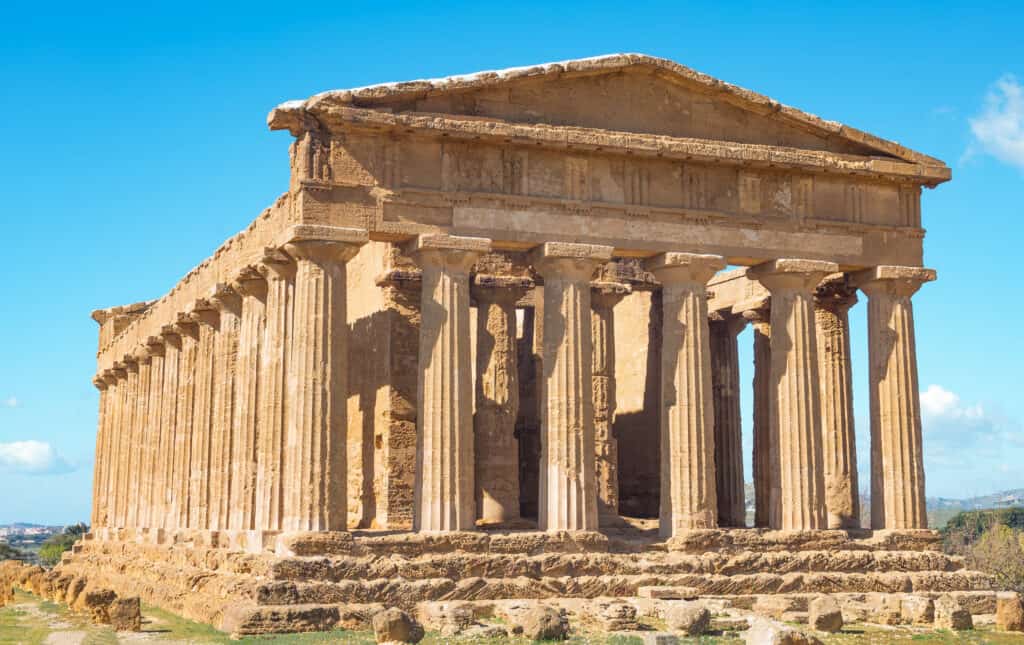
The island has spent thousands of years at the crossroads of the Mediterranean. Greeks, Romans, Arabs, Normans, Spanish and Bourbons all left their mark, creating layers of history that still shape everyday life today. You can see this influence in everything from architecture and language to cuisine and local traditions.
That history also gives Sicily a stronger regional identity than many parts of mainland Italy. Many Sicilians proudly identify as Sicilian first and Italian second—not as a rejection of Italy, but as a reflection of the island’s unique heritage. Visitors quickly notice this sense of local pride, particularly in family businesses, food traditions and festivals that have been passed down through generations.
For travellers, this means Sicily often rewards a slower pace. Rather than racing between famous landmarks, some of the most memorable experiences come from wandering historic centres, lingering over long lunches, chatting with locals in small piazzas or discovering quiet coastal villages where daily life has changed little over the decades.
Another characteristic that surprises many visitors is the island’s remarkable diversity. Within a single trip you can explore active volcanoes, UNESCO-listed Baroque towns, Greek temples, rugged mountain villages, golden beaches and vibrant cities. Landscapes change dramatically over relatively short distances, yet travelling between them often takes longer than visitors expect due to winding mountain roads and slower traffic.
This variety is one of Sicily’s greatest strengths, but it also means there is no single “perfect” itinerary. Some travellers come for archaeology and ancient history, others for beaches and island hopping, while many are drawn by the food, wine and slower Mediterranean lifestyle. Your ideal trip depends less on seeing every famous attraction and more on choosing experiences that match your travel style.
After several visits, I’ve found that Sicily is best appreciated when you resist the temptation to tick off every highlight. Spending an extra night in one destination, enjoying a relaxed evening passeggiata or taking a detour into a small inland village often creates far richer memories than trying to cover the entire island in a week.
That’s one of the reasons so many visitors return. Sicily isn’t somewhere you simply “complete.” Every visit reveals another historic town, another spectacular coastline or another local trattoria that reminds you how much there still is to discover
Where Sicily Is & What Defines It
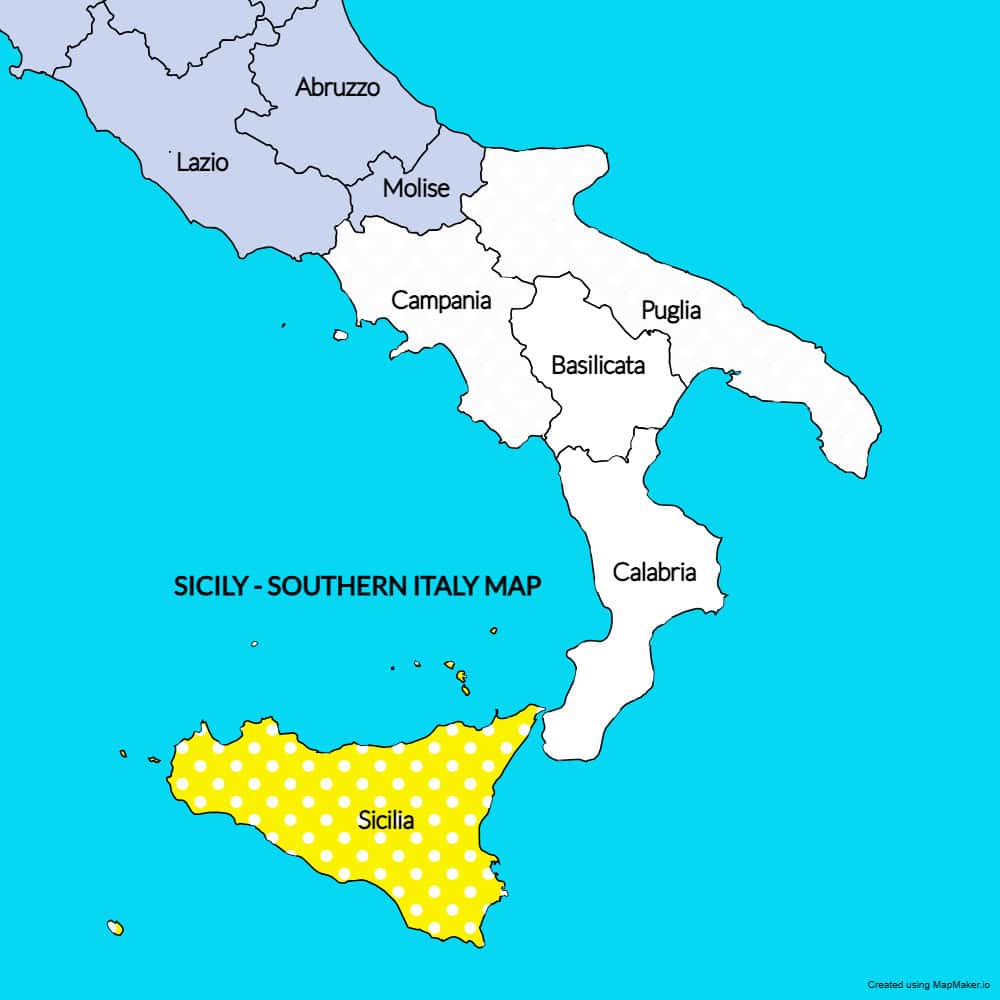
Located just off the southern tip of mainland Italy, Sicily sits between the Tyrrhenian and Ionian seas, separated by the Strait of Messina.
It includes:
• Historic port cities
• Extensive coastline
• Inland agricultural regions
• Volcanic landscapes shaped by Mount Etna
Its layered history — shaped by Greek, Arab, Norman and Spanish influence — continues to affect architecture, food traditions and everyday life.
Key Towns & Cities in Sicily
Sicily’s most recognisable destinations are spread between coastal cities, inland towns and agricultural landscapes — each offering a different pace of travel across the island.
Taormina
A coastal town combining historic architecture with access to nearby beaches.
Palermo
The island’s capital and a major historic port city.
Syracuse
A smaller coastal city with strong links to Sicily’s Greek past.
Noto
Known for its baroque architecture and agricultural surroundings. A UNESCO World Heritage Site.
Mount Etna
A defining feature of the eastern landscape, influencing both geography and local produce.
If you’re comparing Sicily with other destinations across the region, see our guide to the main cities and towns of Southern Italy.
Choosing Where to Base Yourself in Sicily
Unlike some regions of Italy where it’s easy to stay in one place and explore widely, Sicily is simply too large and diverse to see comfortably from a single base.
Choosing where to stay is one of the biggest decisions you’ll make when planning your trip, and getting it right can save hours of driving while allowing you to experience the island at a much more relaxed pace.
For a first visit, eastern Sicily usually makes the easiest base, particularly around Catania, Taormina or Syracuse.
Western Sicily works particularly well for Palermo, Trapani and Marsala, while the south-east suits travellers interested in the Baroque towns of Noto, Ragusa and Modica.
For shorter visits of five to seven days, I generally recommend choosing one or two bases rather than trying to circle the entire island.
While it may look manageable on a map, driving times are often longer than expected, especially on mountain roads or when passing through busy cities.
Spending less time packing and unpacking means more time enjoying Sicily’s beaches, historic towns and extraordinary food.
My Recommendation
Rather than asking, “Where should I stay in Sicily?”, it’s often better to ask, “What kind of holiday do I want?”
If you’re interested in famous sights and convenience, base yourself on the east coast. If history and local culture appeal most, consider Palermo or western Sicily. For slower travel, beautiful architecture and excellent food, the south-east is hard to beat.
If you have ten days or more, dividing your stay between two or even three different bases usually provides a far richer experience than trying to see everything from a single hotel.
One lesson I’ve learnt over the years is that Sicily rewards travellers who slow down. Choosing fewer destinations and spending longer in each one almost always leads to a more enjoyable trip than constantly moving from place to place.
Understanding Sicily’s Regions: Which Part of the Island Is Right for You?
One of the reasons Sicily appeals to so many different travellers is that no single part of the island offers the “complete” Sicilian experience. Each region has its own landscapes, history, traditions and pace of life.
Rather than trying to see everything in one trip, I find it helps to think of Sicily as several distinct regions, each with its own personality. Choosing the area that best matches your interests often leads to a much more enjoyable holiday.
| Region | Best For | Highlights |
|---|---|---|
| East Coast | First-time visitors, iconic sights | Taormina, Mount Etna, Catania, beaches, easy transport |
| West Coast | History, culture and food | Palermo, Trapani, Marsala, Arab-Norman heritage, wineries |
| South-East | Architecture, quieter travel | Noto, Ragusa, Modica, Baroque towns, relaxed atmosphere |
| North Coast | Scenic coastline and beach holidays | Cefalù, seaside villages, coastal drives |
| Interior Sicily | Authentic rural experiences | Mountain villages, nature parks, traditional festivals |
| Aeolian Islands | Island hopping and volcanic landscapes | Stromboli, Salina, Lipari, Panarea, Vulcano |
East Sicily
For many travellers, the east coast is the easiest introduction to Sicily.
This region combines some of the island’s best-known attractions within relatively easy reach of one another. You can explore the elegant streets of Taormina, walk across the lava fields of Mount Etna, enjoy vibrant Catania and relax on nearby beaches—all without covering huge distances.
Because of its excellent transport connections and wide range of accommodation, I usually recommend eastern Sicily to first-time visitors with less than a week.
West Sicily
Western Sicily feels noticeably different.
Palermo is energetic, colourful and full of contrasts, while Trapani, Marsala and the surrounding countryside reveal a slower pace centred around food, wine and centuries of history.
The landscapes are more rugged, the tourist crowds are generally smaller outside Palermo, and there’s a wonderfully authentic feel to many of the towns.
If you’re fascinated by architecture, bustling markets or long lunches featuring fresh seafood and local wine, western Sicily is enormously rewarding.
South-Eastern Sicily
This corner of the island often surprises visitors.
Instead of dramatic volcanic scenery, you’ll discover elegant Baroque towns rebuilt after the devastating earthquake of 1693. Places such as Noto, Ragusa and Modica are among Sicily’s architectural treasures, yet they often feel more relaxed than the island’s busiest tourist destinations.
The surrounding countryside is dotted with olive groves, vineyards and beautiful stretches of coastline, making this an excellent region for slow travel.
Northern Sicily
The northern coast combines picturesque seaside towns with dramatic mountain backdrops.
Cefalù is the obvious star attraction, but the coastline extends far beyond its famous beaches. Smaller villages, scenic drives and quieter stretches of coast reward travellers willing to explore beyond the best-known destinations.
This area offers an appealing balance between cultural sightseeing and seaside relaxation.
Inland Sicily
Many visitors never venture far from the coast, but the island’s interior reveals another side of Sicily altogether.
Mountain villages, traditional farming communities and historic towns provide a glimpse into everyday Sicilian life that feels far removed from the beaches and resort areas.
It’s a region best explored slowly, particularly if you enjoy local festivals, regional cuisine and discovering places that receive relatively few international visitors.
The Aeolian Islands
Although technically part of Sicily, the Aeolian Islands deserve to be viewed as a destination in their own right.
Each island has its own personality. Lipari is lively, Salina is peaceful and green, Panarea is stylish, Stromboli is famous for its active volcano, while Vulcano offers dramatic landscapes shaped by geothermal activity.
If your itinerary allows, spending several nights here provides a completely different perspective on Sicily and is often remembered as one of the highlights of an entire Italian holiday.
Which Region Would I Choose?
People often ask me which part of Sicily is my favourite, but it’s almost impossible to answer.
If it’s your first visit, I’d usually recommend the east coast because it offers such a wonderful introduction to the island.
If you’re returning, western and south-eastern Sicily reveal a slower, more authentic side that many travellers eventually come to prefer.
And if you have two weeks or more, combining two or three different regions creates the most rewarding experience of all.
The beauty of Sicily is that there isn’t one “best” itinerary. Every corner of the island tells a different story, and that’s one of the reasons so many visitors, myself included, keep finding reasons to come back.
Getting Around Sicily: Driving, Trains and Public Transport
One of the first questions travellers ask when planning a trip to Sicily is whether they really need a hire car. The answer depends entirely on where you plan to go.
Unlike smaller Italian regions, Sicily covers a vast area, and although the island has motorways, rail lines and bus services, they don’t always connect destinations in the most convenient way. It’s worth thinking about transport before you book accommodation, as your choice of base can make a significant difference.
When You Don’t Need a Car
If you’re staying mainly in cities such as Palermo, Catania or Syracuse, a car can actually become more of a burden than a convenience.
Historic centres often have restricted traffic zones (ZTLs), parking can be limited, and many of the main attractions are easily explored on foot. Trains also connect several of Sicily’s larger cities, making it entirely possible to enjoy a rewarding trip using public transport.
For travellers who prefer a slower pace and don’t mind planning around timetables, combining trains with the occasional local bus or guided tour can work surprisingly well.
When Hiring a Car Makes Sense
A hire car becomes far more valuable once you venture beyond the main cities.
Some of Sicily’s greatest experiences lie in hill towns, rural landscapes, nature reserves and smaller coastal villages where public transport is infrequent or doesn’t exist at all. Having your own vehicle also gives you the freedom to stop at viewpoints, vineyards and beaches that many organised tours simply pass by.
If your itinerary includes places such as Ragusa, Modica, the Val di Noto countryside, the Madonie Mountains or remote stretches of coastline, driving provides much greater flexibility.
Driving in Sicily
Driving in Sicily is often easier than many visitors expect, although it can feel intimidating at first.
Motorways between the larger cities are generally straightforward, but once you leave them you’ll often encounter winding mountain roads, narrow village streets and slower local traffic. Journey times are frequently longer than they appear on a map, so it’s wise to avoid trying to cover too much distance in a single day.
In larger cities, traffic can be busy and parking frustrating, especially during summer. Whenever possible, I prefer staying just outside historic centres and walking into town rather than trying to navigate narrow medieval streets.
The key is to drive patiently, allow extra time and enjoy the journey rather than treating it as simply getting from A to B.
Using Trains
Sicily’s rail network is most useful along the northern and eastern coasts.
Connections between Palermo, Cefalù, Messina, Taormina-Giardini, Catania and Syracuse are generally reliable and comfortable. Trains are less practical for reaching many inland destinations, where services become slower and less frequent.
If you’re travelling without a car, it’s worth checking journey times before finalising your itinerary, as two places that appear close together can sometimes require lengthy connections.
Local Buses
Buses fill many of the gaps where trains don’t operate.
Regional bus companies serve hundreds of smaller towns, although services may be limited on Sundays and public holidays. During peak tourist season, popular routes can become busy, so booking ahead where possible is worthwhile.
My Advice
If this is your first visit to Sicily, don’t assume you need to drive every day.
A combination of trains, local transport and a short car hire for part of your holiday often provides the best balance between convenience and flexibility.
Whatever transport you choose, build some breathing space into your itinerary. Sicily isn’t a destination to rush through. Some of the island’s most memorable experiences happen when you stop for a leisurely lunch in a village square, take an unplanned coastal detour or simply pause to enjoy the view.
How Long Should You Spend in Sicily?
One of the most common planning mistakes is underestimating just how much there is to see. On a map, Sicily can appear surprisingly manageable, but once you factor in travel times, mountain roads and the temptation to linger in beautiful towns, most visitors quickly realise they need more time than they originally planned.
If you’re visiting Sicily for the first time, here’s a realistic guide to what you can comfortably experience.
3–4 Days
A short visit works best if you focus on a single area rather than trying to cross the island.
For example, you might base yourself around Taormina and explore Mount Etna, Catania and nearby beaches, or stay in Palermo while visiting Monreale and Cefalù.
You’ll only scratch the surface, but you’ll leave wanting to return—which isn’t a bad outcome.
5–7 Days
A week allows you to experience Sicily at a far more relaxed pace.
You can comfortably divide your stay between two different bases, giving you time to explore contrasting regions without spending every day on the road.
This is the minimum length I usually recommend for first-time visitors.
8–10 Days
With around ten days, Sicily really begins to reveal its diversity.
You’ll have time to combine historic cities, beaches, archaeological sites, mountain scenery and perhaps even a visit to the Aeolian Islands or south-eastern Baroque towns.
You’ll still leave with places on your wish list, but your trip will feel far less rushed.
Two Weeks or More
Two weeks provides the freedom to experience Sicily properly.
Instead of simply collecting famous landmarks, you can enjoy long lunches, local markets, scenic drives, quieter villages and spontaneous discoveries that often become the highlights of the trip.
This slower style of travel is one of the reasons so many people fall in love with Sicily.
Best Time to Visit Sicily
Choosing the best time to visit Sicily depends less on the weather—which is generally pleasant for much of the year—and more on the type of holiday you’re hoping to enjoy.
Thanks to its Mediterranean climate, Sicily is a destination that can be visited in every season. However, each time of year offers a noticeably different experience.
Spring (March to May)
Spring is one of my favourite times to explore Sicily.
Wildflowers brighten the countryside, temperatures are comfortable for sightseeing, and many towns feel lively without being overcrowded. It’s an excellent season for walking through historic centres, visiting archaeological sites and enjoying coastal drives before the summer heat arrives.
Restaurants, cafés and attractions are fully open, yet accommodation is often easier to book than during the busiest months.
For many travellers, spring offers the ideal balance of pleasant weather and manageable visitor numbers.
Summer (June to August)
Summer brings long sunny days, warm seas and a vibrant holiday atmosphere.
Beach resorts are at their busiest, coastal towns come alive late into the evening, and outdoor festivals take place across the island. If swimming and seaside relaxation are your priorities, this is the season you’ll probably enjoy most.
The trade-off is higher temperatures, heavier traffic and significantly larger crowds at popular destinations such as Taormina, Cefalù and San Vito Lo Capo. Booking accommodation well in advance is highly recommended.
If you’re travelling in July or August, plan sightseeing early in the morning or later in the afternoon, leaving the hottest part of the day for a leisurely lunch, a swim or a relaxed break in the shade—much as many locals do.
Autumn (September to November)
Autumn is another outstanding time to visit.
The sea remains warm enough for swimming well into September and often October, while daytime temperatures become more comfortable for exploring.
Wine harvests, food festivals and seasonal produce add another dimension to travelling at this time of year, and many beaches become noticeably quieter after the school holidays finish.
If you’re looking for warm weather without peak-season crowds, early autumn is difficult to beat.
Winter (December to February)
Winter offers a completely different perspective on Sicily.
While beach holidays are no longer the focus, cities such as Palermo, Catania and Syracuse become wonderfully relaxed places to explore. You’ll encounter fewer visitors, shorter queues and a more local rhythm of life.
Snow occasionally dusts the upper slopes of Mount Etna, creating the unusual sight of snowy volcanic landscapes not far from the Mediterranean coast.
Some smaller tourist businesses and seasonal beach facilities may close during winter, but for travellers interested in history, food and culture, it remains an appealing time to visit.
My Recommendation
If you’re planning your first trip, I generally recommend April to June or September to October.
These months combine pleasant temperatures, lively towns, comfortable sightseeing conditions and fewer crowds than the height of summer.
That said, Sicily doesn’t really have a bad season. The island simply changes its character throughout the year, and choosing the right time depends on whether your priority is beaches, sightseeing, hiking, food experiences or simply enjoying a slower pace of travel.
First-Time Mistakes to Avoid in Sicily
Travellers often attempt to combine Sicily with mainland destinations within limited timeframes, underestimating travel distances and ferry schedules.
Trying to visit both the eastern and western coasts in a short trip can also result in rushed travel days.
Allowing sufficient time for the island generally leads to a more manageable and rewarding experience.
Every destination has a few surprises, and Sicily is no exception. Most first-time visitors leave wishing they’d allowed more time, travelled a little more slowly or planned their itinerary differently.
Here are the mistakes I see travellers make most often—and how you can avoid them.
Trying to See the Entire Island
Sicily is much larger than many visitors expect.
Attempting to drive around the whole island in a week usually results in long days behind the wheel and very little time to enjoy each destination.
Instead, choose one or two regions and explore them properly. You’ll have a far more rewarding experience and plenty of reasons to return.
Underestimating Driving Times
Although Sicily has modern motorways in several areas, many of the most beautiful destinations lie along winding coastal roads or in the hills.
Distances that appear short on a map can easily take much longer than expected. Allow extra time between destinations, particularly if you’re travelling during summer or visiting smaller villages.
Staying Somewhere Different Every Night
Changing hotels every day may seem like an efficient way to cover more ground, but it often has the opposite effect.
Packing, checking out, driving and checking in again quickly consume valuable holiday time.
Using one or two well-chosen bases creates a more relaxed trip and gives you the opportunity to experience local life beyond the major attractions.
Only Visiting the Famous Places
Taormina, Palermo and Cefalù deserve their popularity, but some of Sicily’s most memorable experiences happen in lesser-known towns, family-run restaurants and quiet countryside villages.
Leaving room for spontaneous detours often becomes one of the highlights of the journey.
Ignoring Local Meal Times
Food is an important part of Sicilian culture, and meal times often differ from what many visitors expect.
Lunch can be a leisurely affair, while dinner commonly starts later in the evening, especially during summer.
Rather than rushing between attractions, embrace the slower rhythm. Some of my favourite memories of Sicily have come from long lunches that unexpectedly stretched into the afternoon or evenings spent lingering over dinner in a lively piazza.
Assuming Sicily Is Just About Beaches
The coastline is spectacular, but Sicily offers far more than sun and sand.
Ancient Greek temples, Norman cathedrals, Baroque cities, volcanic landscapes, vineyards and mountain villages all contribute to the island’s remarkable diversity.
Trying to balance beaches with culture and local food experiences usually results in a much richer holiday.
Forgetting to Slow Down
Perhaps the biggest mistake of all is trying to treat Sicily like a checklist.
The island rewards curiosity far more than speed. Pause for a coffee in a quiet square, browse a local market, take the scenic road instead of the fastest one or spend an extra evening in a town that captures your imagination.
Those unplanned moments often become the stories you’ll still be talking about long after the trip is over.
What Does a Trip to Sicily Cost?
One of the pleasant surprises for many travellers is that Sicily often offers better value than some of Italy’s more famous destinations. While prices have risen in recent years, you’ll generally find that accommodation, dining and everyday expenses remain more affordable than cities such as Rome, Florence or Venice, particularly if you travel outside the busiest summer months.
Of course, costs vary depending on where and when you travel. Popular destinations like Taormina attract premium prices during peak season, while smaller towns and inland villages often provide excellent value without sacrificing charm.
Budget Travellers
If you’re travelling on a tighter budget, Sicily is very manageable.
Comfortable guesthouses, B&Bs and smaller hotels are widely available, especially outside the major tourist centres. Local bakeries, cafés and family-run trattorias make it easy to enjoy excellent meals without spending a fortune, while many of the island’s greatest pleasures—historic streets, beaches, markets and spectacular viewpoints—cost little or nothing.
Travelling during spring or autumn can reduce accommodation costs while providing a more relaxed experience.
Mid-Range Holidays
Most visitors fall into this category.
A mid-range budget allows you to stay in well-located hotels or boutique accommodation, enjoy excellent regional restaurants, hire a car for greater flexibility and visit Sicily’s major attractions without feeling restricted.
In my experience, this is where Sicily offers outstanding value. You can enjoy memorable meals, beautiful accommodation and authentic local experiences for significantly less than you might expect in many other European destinations.
Luxury Travel
Sicily also caters exceptionally well to luxury travellers.
Historic palaces converted into boutique hotels, elegant seaside resorts, vineyard accommodation and exclusive island retreats provide memorable places to stay throughout the region.
High-end dining, private wine tours, sailing excursions and bespoke cultural experiences are increasingly available, particularly around Taormina, the Aeolian Islands and parts of western Sicily.
Seasonal Pricing
Accommodation prices rise sharply during July and August, particularly in coastal destinations.
If your travel dates are flexible, visiting in April, May, June, September or October often delivers the best balance of pleasant weather, lower prices and fewer crowds.
My Advice
Rather than focusing solely on finding the cheapest option, I recommend looking for accommodation that allows you to spend less time driving and more time enjoying your surroundings.
Paying slightly more for the right location can transform your holiday, especially if it means being able to stroll to restaurants in the evening or explore a historic centre on foot.
In Sicily, some of the best experiences cost very little—an espresso at a neighbourhood café, a sunset over the Mediterranean, wandering through an ancient piazza or discovering a family-run trattoria where dinner becomes one of the highlights of your trip.
Food & Everyday Life in Sicily
Sicilian cuisine reflects the island’s agricultural diversity and historic influences.
Expect:
• Seasonal produce
• Seafood along the coast
• Locally grown citrus and olives
Meals are typically tied to social routine rather than formal scheduling — something that can affect sightseeing plans more than expected.
Sicilian Food You Shouldn’t Leave Without Trying
For many travellers, Sicily isn’t simply a destination to see—it’s a destination to taste.
The island’s cuisine reflects centuries of cultural influences, blending Italian traditions with flavours introduced by Arab, Greek, Spanish and Norman civilisations. The result is one of the most distinctive regional cuisines in Italy.
While every visitor will discover personal favourites, there are a few experiences that deserve a place on every Sicilian itinerary.
Arancini
These golden, crisp rice balls are one of Sicily’s best-known street foods.
Filled with ingredients such as ragù, mozzarella, pistachio or mushrooms, they’re perfect for a quick lunch while exploring a city. You’ll quickly notice that even locals have passionate opinions about where to find the best ones.
Cannoli
No visit would feel complete without trying a freshly filled cannolo.
Unlike versions found elsewhere in the world, the best Sicilian cannoli are often filled to order, ensuring the pastry remains beautifully crisp. Sweet ricotta, pistachios, chocolate or candied fruit all feature in different regional variations.
Pasta alla Norma
Originating in Catania, this classic dish combines pasta with tomato, fried eggplant, ricotta salata and fresh basil.
Simple ingredients come together to create one of Sicily’s signature comfort foods.
Fresh Seafood
With coastline on all sides, seafood naturally plays a central role in Sicilian cooking.
Grilled swordfish, tuna, sardines, anchovies, octopus and prawns appear on menus throughout the island, often prepared simply to let the freshness shine through.
Coastal restaurants frequently serve the day’s catch, making seafood one of the highlights of travelling around Sicily.
Granita for Breakfast
One of Sicily’s most delightful traditions surprises many visitors.
Instead of a cooked breakfast, locals often enjoy a refreshing granita accompanied by a soft brioche. Whether flavoured with lemon, almond, pistachio or coffee, it’s a delicious way to begin a warm summer morning.
Local Wines
Sicily has become one of Italy’s most exciting wine regions.
From the mineral-rich vineyards on the slopes of Mount Etna to the celebrated wines of western Sicily, wine lovers will find plenty to explore. Even modest neighbourhood restaurants often serve excellent local wines at remarkably reasonable prices.
Don’t Rush Your Meals
If there’s one piece of food advice I’d give, it’s this: slow down.
Meals in Sicily aren’t simply about eating—they’re about conversation, family and enjoying the moment. Some of my favourite travel memories haven’t come from famous landmarks at all, but from lingering over lunch in a quiet village or discovering a small trattoria where the owner proudly explains the day’s menu.
Allow time for those moments. They’re often the experiences you’ll remember long after you’ve returned home.
How Sicily Fits Into a Southern Italy Trip
Sicily can work effectively as either:
• A standalone destination
• Part of a longer Southern Italy itinerary
It’s generally less suited to shorter trips that already include multiple mainland regions.
Frequently Asked Questions About Visiting Sicily
Is Sicily worth visiting?
Absolutely. Sicily offers a remarkable combination of history, culture, beaches, volcanic landscapes and outstanding food.
Whether you’re interested in ancient Greek temples, Baroque towns, coastal drives or simply enjoying long lunches overlooking the Mediterranean, the island offers experiences that are difficult to find anywhere else in Italy.
Many travellers visit once and quickly begin planning a return trip because there is simply too much to see in a single holiday.
How many days do I need in Sicily?
While you can enjoy a long weekend in one part of the island, I generally recommend at least seven days for a first visit.
Ten days allows you to explore two or three different regions without constantly moving accommodation, while two weeks provides enough time to experience Sicily at a much more relaxed pace.
Do I need a car in Sicily?
Not always. If you’re staying in cities such as Palermo, Catania or Syracuse, public transport is often sufficient.
However, hiring a car gives you much greater flexibility if you want to explore smaller villages, scenic coastal roads, nature reserves or the island’s rural interior.
What is the best month to visit Sicily?
For most travellers, April, May, June, September and October provide the ideal combination of comfortable temperatures, fewer crowds and excellent sightseeing conditions.
July and August are perfect for beach holidays but are also the busiest and hottest months.
Is Sicily expensive?
Compared with many of Italy’s most famous destinations, Sicily generally offers very good value. Accommodation, dining and local experiences can be surprisingly affordable, especially outside the peak summer season.
Of course, popular destinations such as Taormina attract higher prices, but it’s still possible to enjoy an excellent holiday on a wide range of budgets.
Continue Exploring Southern Italy
If Sicily is just one part of your Italian adventure, you might also enjoy:
Whether you’re planning your first visit or returning to discover somewhere new, I hope Herb Nagel Beyond helps you travel a little deeper and experience Southern Italy with confidence.
FINAL THOUGHT
Hopefully this guide has helped you start planning an unforgettable journey around Sicily.
The island is one of those places that reveals itself gradually. Every coastal drive, village piazza, local market and family-run trattoria tells part of the story, and no two trips are ever quite the same.
Sicily rewards time and focus.
Approached with realistic expectations — and an understanding of its scale — it offers a distinct perspective on Southern Italy’s history, landscapes and everyday life.